

Understanding how energy moves through a home is essential for maintaining comfort, managing costs, and improving overall efficiency. Many homeowners experience rising utility bills, inconsistent temperatures, or drafty rooms without knowing why these problems occur. Over time, these issues can affect both comfort and long-term home performance.
At Star Energy Consultants, energy use is evaluated through measured data rather than assumptions or guesswork. For Kansas homeowners, a home energy audit Kansas residents depend on provides clear insight into how energy is used, where it is lost, and which areas need attention. This understanding helps homeowners make informed, practical decisions.
What Is a Home Energy Audit?
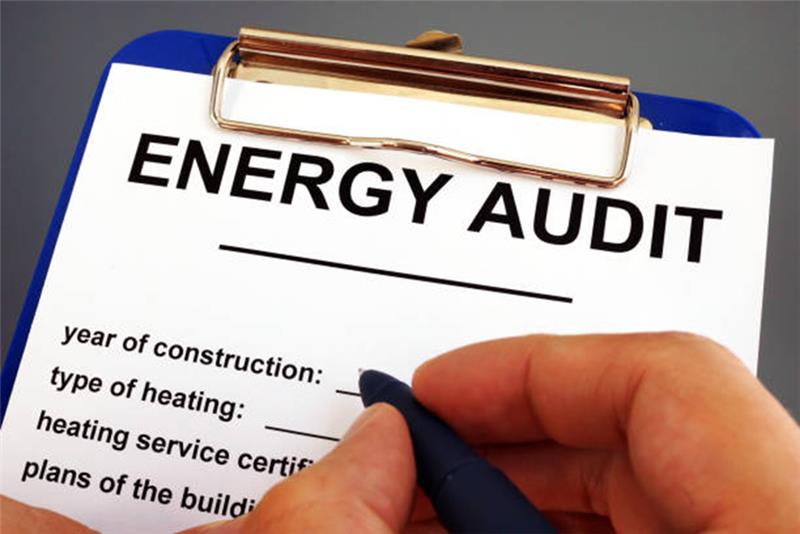
A home energy audit is a comprehensive evaluation of a residential property’s energy performance. Its primary purpose is to identify inefficiencies that affect heating, cooling, comfort, and energy consumption throughout the home. During an audit, trained professionals inspect the building envelope, insulation, ventilation, and airflow patterns. Appliances are not repaired or operated during this process. Instead, inspectors focus on observation, testing, and data collection. For homes in Kansas, energy audits are especially valuable because temperature extremes place additional stress on building systems throughout the year.
Why Home Energy Audits Matter for Kansas Homes
Kansas homeowners experience a wide range of seasonal conditions, from hot, humid summers to cold, windy winters. These shifts often expose weaknesses in insulation, sealing, and airflow. A home energy audit Kansas homeowners schedule helps identify how local climate conditions impact energy use. Problems such as air infiltration, uneven temperatures, and system inefficiencies become more apparent under extreme weather. Understanding these challenges allows homeowners to prioritize improvements that improve comfort and reduce unnecessary energy loss throughout all seasons.
How a Home Energy Audit Works
Initial Home Evaluation
The audit process begins with a detailed walkthrough of the home. Inspectors visually assess windows, doors, ceilings, walls, and accessible insulation areas. This helps identify visible gaps, wear, or construction issues that may affect performance. This stage does not involve running appliances or making repairs. The purpose is to observe current conditions and document areas that may require further evaluation.
Diagnostic Testing
Specialized diagnostic tools may be used to measure airflow, pressure differences, and temperature variations. These tools help identify hidden inefficiencies that are not visible during a basic inspection. Testing provides objective measurements that reveal how air and heat move through the home, supporting accurate conclusions rather than estimates.
Data Analysis and Reporting
After testing, findings are compiled into a detailed report. This report explains where energy is being lost and outlines recommended improvements based on impact and feasibility. Kansas homeowners can use this information to plan upgrades gradually, focusing first on changes that offer the greatest benefit.
Common Issues Found During Home Energy Audits in Kansas
Energy audits often reveal similar patterns across many Kansas homes, especially those built before current efficiency standards were adopted. Common findings include:
- Air leaks around windows, doors, and framing
- Insufficient or uneven insulation coverage
- Imbalanced heating and cooling distribution
- Leaky or poorly sealed ductwork
- Moisture issues that affect comfort and durability
Identifying these issues early helps homeowners address root causes rather than symptoms.
The Role of Air Leakage and Insulation
Air leakage is a major contributor to energy waste. Even small gaps allow conditioned air to escape while outside air enters the home, increasing heating and cooling demands. Insulation works alongside air sealing by slowing heat transfer. Without adequate insulation, homes lose heat in winter and gain heat in summer. A home energy audit Kansas residents trust evaluates air leakage and insulation together, offering a complete view of thermal performance rather than isolated observations.
How Home Energy Audits Improve Comfort
Comfort goes beyond thermostat settings. It includes consistent temperatures, reduced drafts, and stable indoor conditions throughout the home. Energy audits help explain why some rooms feel colder or warmer than others. By identifying airflow restrictions or insulation gaps, homeowners can take steps to balance conditions. Improved comfort is often one of the first noticeable benefits after recommended improvements are implemented.
Energy Audits and Utility Cost Management
Managing utility costs starts with understanding how energy is used. While audits do not directly lower bills, they reveal where changes will be most effective. Rather than relying on trial and error, homeowners receive recommendations based on measured performance. This reduces the risk of spending money on upgrades that offer limited benefit. A home energy audit Kansas homeowners rely on supports smarter financial decisions by prioritizing improvements with lasting impact.
When Should Kansas Homeowners Schedule an Energy Audit?
Home energy audits can be performed year-round, but certain times may highlight specific issues more clearly. Cold weather reveals heat loss and drafts, while hot weather exposes cooling inefficiencies. Many homeowners schedule audits before major renovations or seasonal transitions. Early planning allows time to review findings, compare options, and schedule improvements without pressure or urgency.
How Energy Audits Support Long-Term Planning
A home energy audit provides more than a snapshot of current performance. It creates a foundation for long-term improvement planning. Homeowners can use audit results to:
- Phase upgrades over time
- Align improvements with budgets
- Track performance improvements
- Prepare for future efficiency projects
This structured approach helps avoid reactive decisions and supports steady progress.
Home Energy Audits Compared to Visual Inspections
A home energy audit Kansas homeowners choose offers deeper insight than a basic inspection, leading to more reliable and effective outcomes.
| Aspect | Home Energy Audit | Basic Visual Check |
| Diagnostic testing | Included | Not included |
| Data-driven analysis | Yes | No |
| Air leakage measurement | Measured | Estimated |
| Insulation assessment | Detailed | Limited |
| Actionable recommendations | Prioritized | General |
Understanding the Results of an Energy Audit
Audit reports summarize findings in clear, practical terms. Visual documentation and measurements help explain how recommendations were developed. Recommendations are typically ranked by potential impact, making it easier for homeowners to determine where to start. This clarity supports confident decision-making rather than uncertainty or guesswork.
How Home Energy Audits Align With Efficiency Goals
Many homeowners want to improve efficiency but are unsure which steps matter most. An energy audit establishes a performance baseline. By comparing conditions before and after improvements, homeowners can measure progress and verify results. This alignment between assessment and action ensures that upgrades contribute meaningfully to long-term efficiency goals.
Learning More About Home Energy Audits
Homeowners researching efficiency improvements often benefit from educational resources that explain what assessments involve and what to expect. Information available through home energy audit resources provides detailed explanations of the audit process and outcomes. Additional insights can also be found on home energy solutions pages that discuss broader performance considerations.
Conclusion
A home energy audit provides valuable insight into how a house performs under real-world conditions. For Kansas homeowners, this understanding is especially important due to seasonal temperature extremes and varying weather patterns. Rather than relying on assumptions, a home energy audit Kansas residents choose offers data-driven clarity. This clarity supports improved comfort, thoughtful planning, and more efficient use of energy over time.
At Star Energy Consultants, energy audits are approached as an educational process designed to empower homeowners. By understanding how energy flows through a home, improvements can be targeted where they matter most. If you would like to better understand your home’s energy performance, you can contact us to learn more about scheduling an assessment.
Frequently Asked Questions
1. Does a home energy audit involve repairing systems?
No. Energy audits focus on inspection, testing, and analysis. Systems and appliances are not repaired or operated during the assessment.
2. How long does a home energy audit take?
Most audits take several hours, depending on the size and layout of the home and the scope of testing performed.
3. Are energy audits useful for newer homes?
Yes. Newer homes can still have air leakage, insulation gaps, or system imbalances that affect comfort and efficiency.
4. Will an audit disrupt daily activities?
Disruption is minimal. The process is non-invasive and primarily observational.
5. How often should a home be audited?
Many homeowners schedule audits every few years or before significant upgrades or renovations.