
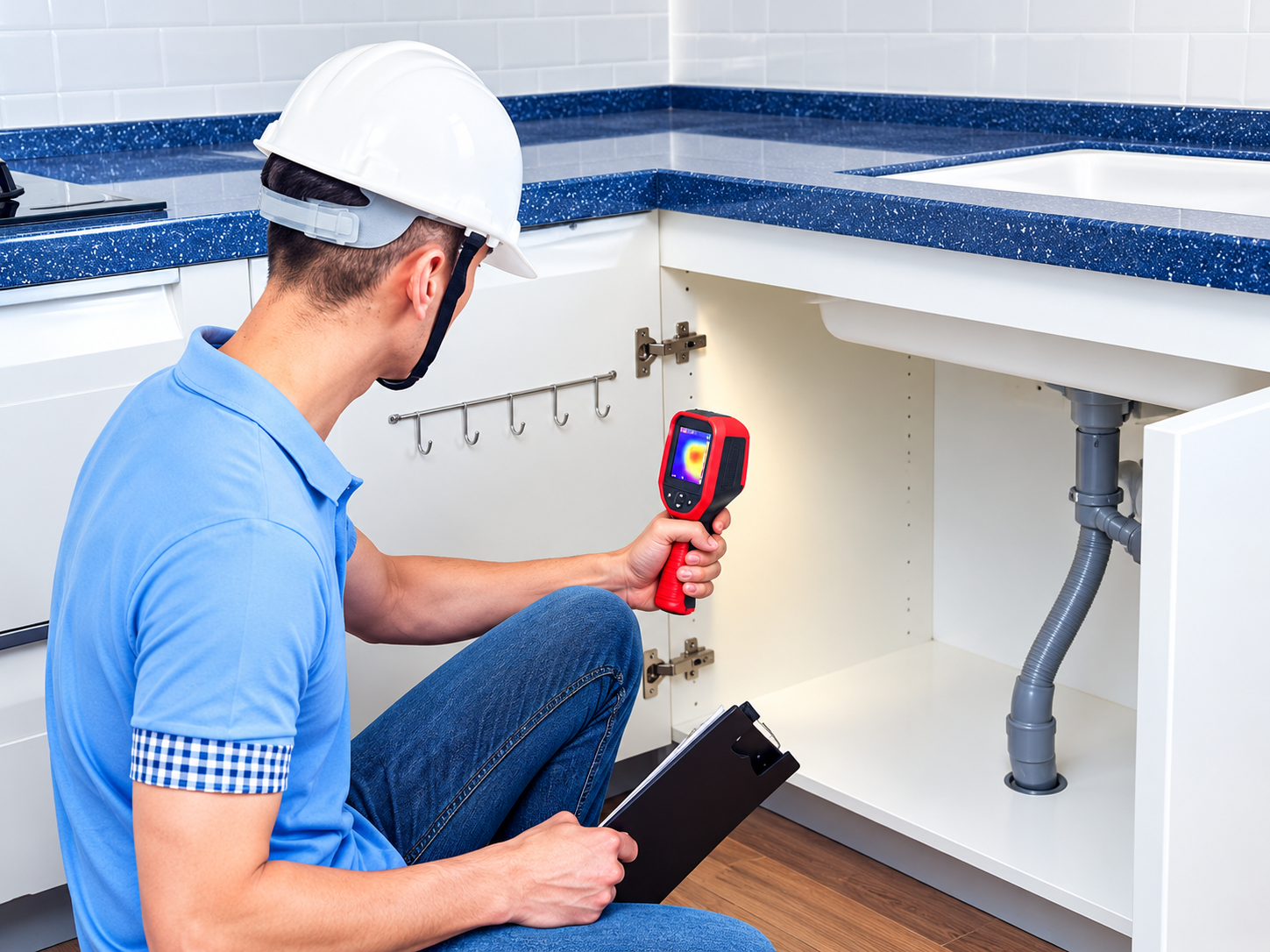
When homeowners want to improve comfort, understand energy loss, or make informed decisions about their property, they may come across terms such as energy audit, energy assessment, inspection, and consulting. Although these terms can sound similar, they can represent different approaches to understanding how a home performs.
Home energy audit consulting takes a broader approach by helping homeowners understand energy-related problems, evaluate findings, and determine appropriate next steps. An energy assessment, on the other hand, generally focuses on evaluating the current energy performance or condition of specific components within a home.
For homeowners seeking professional guidance, understanding these distinctions is an important first step. Star Energy Consultants focuses on helping homeowners better understand energy performance and make informed decisions based on their property’s individual characteristics.
What Is Home Energy Audit Consulting?
Home energy audit consulting combines energy evaluation with professional guidance. The purpose is not simply to identify an issue, but to help homeowners understand what the findings mean for the overall performance of their property.
A consultant may consider several interconnected areas, including insulation, air leakage, heating and cooling systems, ventilation, windows, doors, and other elements that influence energy use and indoor comfort.
The consulting process can also help homeowners prioritize potential efficiency improvements rather than treating every possible issue as equally important.
What Does an Energy Consultant Look At?
An energy consultant may review a range of factors depending on the property and the homeowner’s concerns.
These may include:
- Building envelope performance
- Insulation conditions
- Air leakage and drafts
- Heating and cooling equipment
- Ductwork and airflow
- Windows and doors
- Ventilation
- Indoor comfort concerns
- Potential sources of energy loss
- Existing efficiency improvements
The goal is to develop a clearer picture of how the different parts of the home work together.
What Is a Home Energy Assessment?
A home energy assessment is an evaluation of a property’s current energy-related condition or performance. It can help identify areas that may be affecting comfort, efficiency, or energy use.
An assessment may involve reviewing visible conditions, mechanical systems, insulation, air movement, windows, doors, and other components.
The exact scope depends on the professional conducting the assessment and the type of evaluation being performed.
For homeowners searching for a home energy assessment near me, it is important to understand what the service includes before choosing a provider. Different assessments can have different scopes, so asking about the process and expected findings can help homeowners set appropriate expectations.
How Is an Assessment Different From an Audit?
An assessment is generally focused on evaluating the current condition or performance of a home. An audit may involve a more detailed review of energy-related factors and can provide a broader picture of where energy may be lost and what improvements could be considered.
However, terminology can vary between professionals and organizations.
This is why homeowners should look beyond the service name and ask what the actual evaluation includes.
Home Energy Audit Consulting vs Energy Assessment
The distinction between the two becomes easier to understand when their primary purposes are compared.
| Factor | Home Energy Audit Consulting | Home Energy Assessment |
| Primary purpose | Understand energy issues and guide decisions | Evaluate current energy performance |
| Main focus | Findings, causes, and improvement strategy | Existing conditions and performance |
| Scope | Often considers multiple interconnected systems | Scope depends on the assessment |
| Homeowner guidance | Strong focus on interpretation and next steps | May focus primarily on findings |
| Efficiency planning | Can help prioritize improvements | May identify areas needing attention |
| Best for | Homeowners seeking broader guidance | Homeowners seeking an energy evaluation |
The most important point is that these services can complement one another. An assessment may provide valuable information, while consulting can help homeowners understand that information and determine how it fits into a larger efficiency strategy.
Why the Difference Matters to Homeowners
Choosing the right service starts with understanding what you actually want to accomplish.
A homeowner who simply wants to understand the current condition of certain energy-related components may benefit from an assessment. Someone who wants help interpreting multiple concerns and creating a more organized improvement strategy may find consulting more useful.
This distinction is particularly important when a property has several symptoms.
For example, uneven room temperatures could be related to insulation, air leakage, ductwork, equipment performance, or airflow. Looking at one component alone may not explain the complete problem.
This is where residential energy consulting can provide a broader perspective.
Common Questions Homeowners Should Ask
Before scheduling an energy-related service, homeowners can ask:
- What areas of my home will be evaluated?
- Will the assessment consider the building envelope?
- Will potential air leakage be considered?
- Are heating and cooling systems part of the review?
- Will the findings be explained in practical terms?
- Will the service help identify potential efficiency improvements?
- What should I expect to receive after the evaluation?
These questions can make it easier to compare services and understand their intended purpose.
Understanding the Audit vs Consulting Difference
The audit vs consulting distinction is mainly about what happens with the information collected during an evaluation.
An audit is commonly associated with a structured review of energy use and potential energy loss. Consulting goes a step further by emphasizing interpretation, guidance, and decision-making.
This does not mean that every audit follows exactly the same process or that every consulting service has identical responsibilities.
Instead, homeowners should view consulting as a guidance-oriented service that can help connect technical observations to practical decisions.
For example, an audit may identify a concern with insulation. Consulting can help homeowners understand why that concern matters, how it may relate to other areas of the home, and what questions should be considered before planning an improvement.
Energy Evaluation: Looking Beyond One Problem
An effective energy evaluation should consider the home as a connected system.
A building’s insulation, air sealing, windows, HVAC equipment, ductwork, and ventilation can all influence one another. Addressing one area without understanding the others may not produce the expected improvement.
Consider a home with an uncomfortable upstairs bedroom. The cause might not simply be the heating or cooling equipment.
Potential factors could include:
- Insufficient attic insulation
- Air leakage
- Poor duct airflow
- Ductwork located in an unconditioned area
- Window-related heat transfer
- Building envelope concerns
A whole-home perspective helps homeowners avoid making assumptions based on a single symptom.
Why Context Matters
The same issue can have different implications in different homes.
A small air leak in one property may have a different effect from a similar leak in another property because of differences in construction, insulation, ventilation, climate exposure, or HVAC configuration.
Professional consulting considers the context surrounding an observation.
This is one reason why home energy audit consulting can be valuable for homeowners who want more than a list of isolated findings.
Inspection Differences Homeowners Should Know
A traditional home inspection and an energy-focused evaluation can overlap in some areas, but their objectives are different.
A general home inspection typically examines the overall condition of major property components. An energy-focused evaluation is more specifically concerned with factors that influence energy performance, comfort, and energy loss.
Understanding these inspection differences can prevent homeowners from assuming that one type of inspection automatically provides the same information as an energy evaluation.
A home can pass a general inspection while still having opportunities for better energy performance.
For example, an inspector may identify that insulation exists, while an energy-focused professional may look more closely at whether insulation coverage, air sealing, and the overall building envelope are contributing to energy loss.
When Should You Consider Home Energy Audit Consulting?
Homeowners may consider consulting when they have ongoing questions about energy performance or are unsure where to begin with efficiency improvements.
Consulting can be particularly useful when:
- Some rooms are consistently warmer or colder than others.
- Drafts are noticeable around windows or doors.
- Heating or cooling equipment appears to work frequently.
- Indoor comfort remains inconsistent.
- The condition of insulation is uncertain.
- A home has undergone remodeling or additions.
- Previous efficiency improvements did not resolve comfort concerns.
- Homeowners want a better understanding of potential energy loss.
- Multiple energy-related issues appear to be connected.
In these situations, a broader consultation can help organize the available information and identify areas that deserve closer attention.
What Happens During Home Energy Audit Consulting?
The process can vary depending on the property’s condition and the homeowner’s goals. However, professional consulting generally begins by understanding the concerns affecting the home.
The consultant may discuss comfort issues, previous improvements, construction characteristics, HVAC concerns, and other relevant factors.
The property can then be reviewed for potential sources of energy loss and performance concerns.
A typical approach may follow these stages:
Understand → Evaluate → Identify → Explain → Prioritize
First, the homeowner’s concerns are understood. Next, relevant parts of the home are evaluated. Potential inefficiencies are identified and explained, followed by guidance on which areas may deserve priority.
This approach gives homeowners a clearer framework for making future decisions.
How Consulting Can Support Efficiency Improvements
Identifying a problem is useful, but understanding what to do with that information is equally important.
Homeowners often encounter numerous possible improvements, from insulation and air sealing to HVAC upgrades, ventilation adjustments, window improvements, and other measures.
Without a clear understanding of the home’s existing condition, it can be difficult to determine which areas deserve attention first.
Home energy audit consulting can help homeowners organize these considerations.
The objective is not to recommend every possible improvement. Instead, professional guidance should help homeowners understand the relationship between identified concerns and potential solutions.
Choosing the Right Energy Service
There is no universal answer to whether a homeowner needs an assessment, an audit, or consulting.
The right choice depends on the homeowner’s objective.
If the primary goal is to understand current energy conditions, an assessment may be an appropriate starting point. If the homeowner wants broader guidance about energy-related findings and potential improvements, consulting may provide additional value.
Before scheduling a service, homeowners should consider:
- What problem are you trying to understand?
- Are you concerned about comfort, energy loss, or both?
- Do you want an evaluation of specific systems?
- Do you need help interpreting findings?
- Are you planning future efficiency improvements?
- Do you want a whole-home perspective?
Clear answers to these questions can help homeowners select a service that matches their needs.
Why Professional Guidance Builds Confidence
Energy performance can involve technical concepts that are not always easy to interpret. Professional guidance helps homeowners understand the relationship between different components of their property.
A consultant can provide context around observations and explain why certain areas may deserve further attention.
This is especially helpful when homeowners have received different recommendations from different sources.
Instead of focusing on isolated solutions, consulting encourages a more informed approach based on the property’s characteristics and observed performance.
For Star Energy Consultants, the emphasis is on helping homeowners understand their energy concerns and make decisions based on informed evaluation. Explore our blogs for more helpful insights, practical tips, and information about improving your home’s energy efficiency.
Conclusion: Choose Guidance That Fits Your Home
Understanding the difference between home energy audit consulting and an energy assessment can help homeowners make better informed decisions about their properties.
An assessment can provide valuable information about current energy conditions, while consulting can help homeowners understand those findings and consider them within a broader home performance strategy.
The most effective approach depends on the property’s condition, the homeowner’s concerns, and the type of information needed to move forward. A whole-home perspective can be especially useful when issues such as insulation, air leakage, HVAC performance, ventilation, and comfort appear to be connected.
If you are unsure which approach is right for your home, Contact us today at Star Energy Consultants to discuss your energy concerns and learn how professional guidance can help you make informed decisions about improving your home’s energy performance.
Frequently Asked Questions
1. What is home energy audit consulting?
Home energy audit consulting evaluates energy-related conditions in a home and provides guidance on potential efficiency improvements. It takes a broader approach to understanding energy performance.
2. What is the difference between an energy audit and an assessment?
An assessment generally evaluates current energy conditions, while an audit may provide a more detailed review of energy use and potential losses. Consulting adds guidance to help homeowners interpret findings.
3. Is a home energy assessment the same as a home inspection?
No. A general inspection focuses on the overall condition of a property, while an energy assessment focuses specifically on factors affecting energy performance and efficiency.
4. When should I consider home energy audit consulting?
Consider consulting when you have persistent comfort issues, suspected energy loss, uneven temperatures, or uncertainty about which efficiency improvements to prioritize.
5. How can residential energy consulting help homeowners?
Residential energy consulting helps homeowners understand energy-related concerns within the context of their entire property. It can also provide guidance for prioritizing potential improvements.