
A home energy audit is one of the most effective ways to understand how your home consumes energy and where inefficiencies may be costing you money over time. Many homeowners overlook hidden energy losses that silently increase monthly utility expenses and reduce indoor comfort.
Whether you are experiencing high utility bills, uneven indoor temperatures, or drafty rooms, a professional audit provides clear insights and actionable solutions. It also helps uncover issues that may not be visible during routine home maintenance.
Many homeowners search for a home energy audit service near me when they start noticing these issues. However, knowing what actually happens during the process helps you prepare better and get the most value from it. This detailed guide explains everything you need to know, from the initial inspection to the final report, along with practical insights from Star Energy Consultants.
What Is a Home Energy Audit
A home energy audit, also known as a home energy assessment, is a comprehensive evaluation of your home’s energy usage. It identifies areas where energy is being wasted and recommends improvements to enhance efficiency and overall system performance.
This process involves both visual inspections and advanced diagnostic testing to ensure accuracy. It looks at how different components of your home interact and affect energy consumption patterns.
Professionals like Star Energy Consultants perform these audits using advanced tools and proven methodologies. Their goal is to assess insulation, air leakage, HVAC systems, and overall energy performance with precision and reliability.
When you look for home energy audit services, you are essentially seeking expert guidance to make your home more efficient, comfortable, and cost-effective while also extending the lifespan of your home systems.
Why a Home Energy Audit Matters
Understanding your home’s energy performance is not just about reducing bills. It also contributes to long-term sustainability, environmental responsibility, and improved day-to-day living conditions for occupants.
A well-conducted audit provides insights that help you make informed decisions about upgrades and maintenance priorities. It also helps avoid unnecessary expenses on ineffective solutions.
Key Benefits
- Lower energy bills through optimized consumption
- Improved indoor comfort across seasons
- Reduced carbon footprint and environmental impact
- Increased property value over time
- Better indoor air quality and ventilation
Star Energy Consultants emphasizes a data-driven approach to ensure every recommendation is practical, measurable, and aligned with real-world performance improvements rather than assumptions.
When Should You Consider a Home Energy Audit
You should consider scheduling an audit if you notice recurring inefficiencies or comfort-related concerns in your home environment. These issues often indicate deeper energy performance problems that need professional attention.
Ignoring such signs can lead to higher costs and long-term damage to your home systems.
You should consider scheduling an audit if you notice:
- Rising energy costs without increased usage
- Hot or cold spots in different rooms
- Drafts near windows or doors
- Excessive dust or poor air quality
- Aging or inefficient HVAC systems
Many homeowners begin their journey by searching for a residential energy audit near me, especially when these issues persist and begin affecting their daily comfort and expenses significantly.
What Happens During a Home Energy Audit
A professional audit is a step-by-step process designed to uncover inefficiencies in your home. Each stage plays a critical role in building a complete understanding of your home’s energy profile.
The process is structured to ensure no area is overlooked, providing a comprehensive evaluation.
1. Initial Consultation
The process begins with a discussion about your energy concerns, lifestyle habits, and utility bills. This helps auditors understand your specific needs and tailor the assessment accordingly.
Star Energy Consultants typically reviews:
- Past energy consumption patterns
- Comfort-related complaints
- Existing insulation and system conditions
This step ensures that the audit focuses on both visible and underlying issues affecting performance.
2. Exterior Inspection
The auditor examines the outside of your home to identify structural issues that may affect energy efficiency. External conditions often contribute significantly to heat loss and gain.
Key areas include:
- Roof condition and ventilation
- Exterior walls and siding
- Windows and doors sealing
- Foundation integrity
This inspection helps detect areas where environmental exposure may be impacting your home’s energy performance.
3. Interior Inspection
Inside your home, the auditor evaluates various systems and structural elements that influence energy usage. This step provides deeper insights into how your home retains or loses energy.
The auditor evaluates:
- Insulation levels and placement
- Air leaks and drafts
- Ventilation systems
- Lighting and appliances
This stage is critical in identifying inefficiencies that are not visible externally but significantly impact energy consumption.
4. Blower Door Test
A blower door test is used to measure air leakage and identify hidden gaps in your home’s structure. It is one of the most effective diagnostic tools in energy audits.
A powerful fan is installed in an exterior door to lower indoor air pressure.
This helps detect:
- Drafts around openings
- Hidden leaks in walls and ceilings
- Poor sealing in construction joints
Air leakage is one of the most common issues found during audits, which is why Star Energy Consultants often recommends targeted sealing improvements.
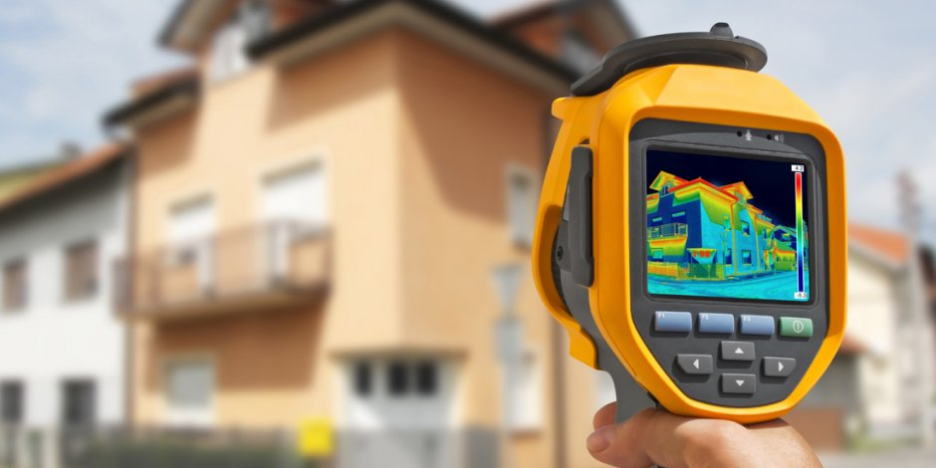
5. Thermal Imaging
Thermal cameras are used to detect temperature variations in walls, ceilings, and floors. This non-invasive method provides visual evidence of inefficiencies.
These images reveal:
- Insulation gaps or missing insulation
- Moisture-related issues
- Heat loss and heat gain areas
Thermal imaging allows auditors to pinpoint exact problem areas, making recommendations more accurate and effective.
6. HVAC System Evaluation
Heating and cooling systems are inspected for efficiency, performance, and overall condition. HVAC systems are often the largest contributors to energy consumption in a home.
The auditor checks:
- System age and operational condition
- Ductwork leaks and airflow issues
- Maintenance history and efficiency ratings
Star Energy Consultants ensures that HVAC evaluations are thorough and aligned with current efficiency standards.
7. Detailed Report and Recommendations
After the audit, you receive a comprehensive report outlining findings and suggested improvements. This document serves as a roadmap for enhancing your home’s efficiency.
The report includes:
- Identified problem areas
- Recommended upgrades and fixes
- Estimated energy savings
Star Energy Consultants ensures that recommendations are practical, prioritized, and tailored to your budget and long-term goals.
Key Components Evaluated in a Home Energy Audit
In addition to individual tests, a home energy audit evaluates how different components work together as a system. This holistic approach ensures accurate diagnosis and effective solutions.
| Component | What Is Checked | Why It Matters |
| Insulation | Thickness and quality | Prevents heat loss and gain |
| Air Sealing | Gaps and leaks | Reduces drafts and energy waste |
| HVAC Systems | Efficiency and condition | Impacts energy consumption |
| Windows and Doors | Sealing and insulation | Affects indoor temperature |
| Lighting | Energy usage | Helps reduce electricity costs |
| Appliances | Efficiency ratings | Identifies outdated equipment |
This evaluation helps Star Energy Consultants deliver a complete and accurate energy profile of your home.
Common Issues Found During Audits
Most homes, regardless of age or design, have some level of inefficiency. These issues can accumulate over time and significantly impact energy performance.
Typical Problems
- Poor insulation in attics or walls
- Air leaks around windows and doors
- Inefficient HVAC systems
- Duct leakage and airflow issues
- Outdated lighting systems
Star Energy Consultants frequently identifies these issues and provides targeted solutions that address root causes rather than temporary fixes.
Recommended Improvements After an Audit
Based on the findings, several upgrades may be suggested to improve efficiency and comfort. These improvements are often prioritized based on impact and cost-effectiveness.
- Insulation Upgrades: Proper insulation is essential for maintaining indoor temperatures and reducing energy loss. Upgrading insulation can significantly improve comfort and efficiency.
- Air Sealing: Sealing leaks prevents unwanted air exchange and enhances indoor temperature stability. It is one of the most cost-effective improvements.
- HVAC Optimization: Upgrading or maintaining your HVAC system ensures better performance and reduced energy consumption over time.
- Energy-Efficient Lighting: Switching to LED lighting reduces electricity usage and improves lighting quality throughout your home.
How Long Does a Home Energy Audit Take
Star Energy Consultants ensures a thorough evaluation of your home without rushing the process, allowing for accurate diagnostics and meaningful recommendations.
Cost of a Home Energy Audit
Costs can vary based on several factors, including the size of your home and the depth of the audit. More detailed assessments may involve advanced diagnostic tools.
Many homeowners searching for home energy audit are often looking for cost-related information. While pricing differs, the long-term savings and efficiency gains usually outweigh the initial investment.
How to Prepare for a Home Energy Audit
Preparation plays a key role in ensuring the audit process is smooth and effective. Proper preparation allows auditors to access all necessary areas and gather accurate data.
To ensure a smooth process:
- Clear access to attic, basement, and crawl spaces
- Provide recent utility bills
- List comfort-related issues
- Ensure all rooms are accessible
Star Energy Consultants recommends preparing in advance to maximize the value of your audit.
Choosing the Right Home Energy Audit Provider
Selecting the right provider ensures accurate results and reliable recommendations. Experience and expertise play a crucial role in the quality of the audit.
When selecting a provider, consider:
- Certifications and industry experience
- Use of modern diagnostic tools
- Transparent and detailed reporting
- Positive customer feedback
Star Energy Consultants stands out for its structured approach and commitment to quality assessments.
How Often Should You Get a Home Energy Audit
Regular audits help maintain efficiency and identify new issues early. Homes evolve over time, and periodic assessments ensure optimal performance.
It is recommended to conduct an audit:
- Every 3 to 5 years
- Before major renovations
- After purchasing a home
Star Energy Consultants suggests regular evaluations to maintain long-term efficiency.
The Role of Professionals in Energy Audits
Professional audits provide a level of accuracy and detail that DIY methods cannot match. Advanced tools and expertise ensure reliable results.
While DIY assessments exist, professional audits provide:
- Accurate diagnostics
- Advanced testing tools
- Reliable and actionable recommendations
Star Energy Consultants ensures each audit meets industry standards and delivers meaningful insights.
Conclusion
A home energy audit is an essential step toward understanding and improving your home’s energy efficiency. It provides valuable insights that lead to better performance and reduced costs.
By working with experienced professionals like Star Energy Consultants, homeowners can ensure accurate assessments and practical solutions. Whether you are searching for a home energy audit service near me or planning upgrades, an audit is the foundation for smarter energy use.
FAQs
1. What is included in a home energy audit
It includes inspection of insulation, air leaks, HVAC systems, windows, doors, and energy usage patterns to identify inefficiencies.
2. How much can I save after a home energy audit
Savings vary but can range between 10 to 30 percent depending on improvements implemented.
3. Is a home energy audit worth it
Yes, it improves efficiency, reduces costs, and enhances indoor comfort significantly over time.
4. How do I find a reliable home energy audit service
Look for experienced providers with certifications, transparent reporting, and strong customer reviews.
5. How long does it take to see results after improvements
Some results are immediate, while others may take a few months to reflect in energy bills.