
Have you ever walked into one room of your home and immediately noticed that it feels much colder than every other space? Even when your heating system is running, certain rooms may remain uncomfortable throughout the day and night. Many homeowners assume this is simply part of living in an older home, but that is rarely the case.
Persistent cold rooms usually indicate an underlying issue with insulation, air leakage, ventilation, windows, or heating distribution. These problems often increase energy consumption while making your home less comfortable.
This is where cold room energy audits become valuable. A professional assessment identifies why specific rooms lose heat and recommends practical improvements that can make your home warmer, healthier, and more energy efficient.
In this guide, we will explain what cold room energy audits involve, common causes of cold rooms, how inspections are performed, and why addressing these issues can improve both comfort and energy performance.
What Are Cold Room Energy Audits?
Cold room energy audits are professional evaluations designed to identify why certain rooms remain colder than the rest of a building.
Unlike simply adjusting the thermostat, these audits investigate how heat moves throughout the home and where it escapes. Professionals assess insulation levels, building materials, heating performance, airflow, windows, doors, and other structural elements that affect indoor temperatures.
A comprehensive energy audit for cold rooms provides homeowners with a clear understanding of energy loss and recommends improvements that can increase comfort without unnecessary energy waste.
Rather than guessing the problem, homeowners receive evidence-based recommendations supported by professional testing.
Why Do Some Rooms Stay Cold?
Several different issues can contribute to consistently cold spaces. In many homes, multiple factors work together, making professional diagnosis important.
Poor Insulation
Insulation slows heat transfer between your living space and the outdoors.
If insulation is missing, compressed, damaged, or improperly installed, heat escapes much faster than expected.
Common areas include:
- Exterior walls
- Attics
- Crawl spaces
- Basements
- Ceiling cavities
Without sufficient insulation, heating systems must work harder to maintain indoor temperatures.
Air Leaks Around Windows and Doors
Even small gaps around windows and doors allow cold outdoor air to enter while warm indoor air escapes.
Common leakage areas include:
- Window frames
- Door frames
- Weather stripping
- Electrical outlets
- Pipe penetrations
- Baseboards
These drafts often create noticeable cold spots throughout the room.
Heating System Imbalances
Not every heating system distributes warm air evenly.
Problems may include:
- Blocked vents
- Damaged ductwork
- Poor airflow
- Incorrect zoning
- Aging HVAC equipment
A room located furthest from the furnace may naturally receive less heated air if the system is not balanced correctly.
Window Performance
Older windows often transfer heat much faster than modern energy-efficient glazing.
Heat loss may occur because of:
- Single-pane glass
- Broken window seals
- Poor installation
- Damaged frames
Large windows facing north can also contribute to lower indoor temperatures during winter.
Foundation and Basement Issues
Cold air entering through foundations or crawl spaces frequently affects rooms located above them.
Poor insulation beneath flooring can leave entire rooms feeling uncomfortable despite adequate heating.
Signs You May Need Cold Room Energy Audits
Not every cold room requires major renovations, but recurring issues should not be ignored.
You may benefit from cold room energy audits if you notice:
- One room consistently feels colder
- Heating bills continue increasing
- Drafts near windows or doors
- Uneven temperatures between rooms
- Cold floors
- Condensation on windows
- Difficulty maintaining thermostat settings
- Certain rooms become uncomfortable every winter
These symptoms often indicate hidden efficiency problems that can be identified through a professional assessment.
What Happens During a Cold Room Energy Inspection?
A professional cold room energy inspection involves much more than simply checking room temperature.
Inspectors evaluate multiple aspects of your home’s energy performance.
| Inspection Area | Purpose |
| Insulation Assessment | Identify missing or inadequate insulation |
| Air Leakage Testing | Locate drafts and air infiltration |
| Window Inspection | Evaluate window efficiency |
| Door Assessment | Detect gaps around doors |
| HVAC Evaluation | Check heating distribution |
| Ventilation Review | Assess airflow throughout the home |
| Moisture Inspection | Identify moisture affecting insulation |
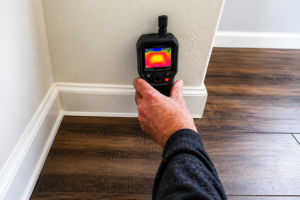
| Thermal Imaging | Detect hidden heat loss behind walls |
This detailed approach allows professionals to pinpoint exactly why the room remains cold.
How Thermal Imaging Helps Identify Heat Loss
One of the most valuable tools used during cold room energy audits is thermal imaging.
Thermal cameras display temperature differences across building surfaces.
They can reveal:
- Missing insulation
- Hidden air leaks
- Moisture intrusion
- Thermal bridges
- Cold wall cavities
- Roof insulation gaps
Many problems invisible to the naked eye become immediately obvious through thermal imaging technology.
This allows homeowners to focus improvements where they will have the greatest impact.
Common Heat Loss Causes Found During Energy Audits
Understanding the most frequent heat loss causes helps explain why some rooms never become comfortable.
Insufficient Wall Insulation
Walls lacking proper insulation allow continuous heat transfer to the outside.
Attic Heat Loss
Warm air naturally rises.
Poor attic insulation allows large amounts of heat to escape through the roof.
Air Leakage
Small cracks throughout the building envelope collectively create significant energy loss.
Duct Leakage
Heated air may never reach certain rooms if ductwork leaks into attics, crawl spaces, or wall cavities.
Poor Window Sealing
Damaged seals reduce window efficiency and increase drafts.
Floor Heat Loss
Rooms above garages, crawl spaces, or unfinished basements often experience cold floors due to insufficient insulation.
Why DIY Solutions Often Fail
Many homeowners attempt simple fixes such as:
- Space heaters
- Window film
- Heavy curtains
- Closing vents
- Raising thermostat settings
While these may temporarily improve comfort, they rarely solve the underlying problem.
Without identifying the true cause, energy waste continues while heating costs increase.
Professional home energy assessment cold room services focus on diagnosing the root cause rather than masking symptoms.
Benefits of Professional Cold Room Energy Audits
A professional assessment offers far more than identifying cold areas.
Benefits include:
- Improved indoor comfort
- Better temperature consistency
- Reduced heat loss
- Increased energy efficiency
- Lower strain on heating systems
- Better indoor air quality
- Improved home value
- Long-term energy savings
- Greater understanding of your home’s performance
These improvements help homeowners make informed decisions about future upgrades.
Once an audit identifies opportunities to improve insulation, air sealing, or overall energy efficiency, homeowners may also want to explore available energy rebates for Missouri and Kansas homeowners that could support qualifying upgrades.
Areas Commonly Evaluated During an Audit
Most inspections cover every major component affecting energy efficiency.
Building Envelope
The building envelope includes:
- Walls
- Roof
- Foundation
- Windows
- Doors
Professionals evaluate how effectively these components retain heat.
Heating Equipment
Heating performance is reviewed to determine whether warm air reaches every room efficiently.
Ventilation
Proper ventilation helps maintain healthy indoor air without excessive heat loss.
Air Leakage
Inspectors identify hidden openings allowing unwanted airflow.
Moisture Conditions
Moisture reduces insulation performance and may contribute to comfort issues.
How Homeowners Can Reduce Heat Loss
While professional recommendations provide the most effective solutions, homeowners can also improve efficiency through regular maintenance.
Helpful practices include:
- Replace damaged weather stripping.
- Keep heating vents unobstructed.
- Seal visible gaps around doors.
- Close attic access panels properly.
- Maintain heating equipment regularly.
- Replace damaged window seals.
- Add insulation where recommended.
- Keep interior doors open when appropriate to improve airflow.
These measures often support improvements identified during cold room energy audits.
Why Early Detection Matters
Small efficiency issues often become larger over time.
For example:
- Minor drafts may expand.
- Moisture can damage insulation.
- Heating equipment experiences additional wear.
- Energy bills gradually increase.
- Indoor comfort continues to decline.
Identifying these issues early helps homeowners avoid more extensive repairs while improving comfort sooner.
Choosing the Right Energy Assessment
Not every inspection provides the same level of detail. A thorough energy audit for cold rooms should include:
| Feature | Why It Matters |
| Whole-home assessment | Identifies interconnected problems |
| Thermal imaging | Detects hidden heat loss |
| Air leakage testing | Finds invisible drafts |
| Insulation evaluation | Measures insulation effectiveness |
| HVAC review | Assesses heating performance |
| Detailed recommendations | Provides practical next steps |
Comprehensive evaluations help homeowners prioritize improvements based on actual building performance. For more practical tips on improving your home’s energy efficiency, insulation, and reducing heat loss, explore our blogs for additional expert insights and homeowner guidance.
When Should You Schedule Cold Room Energy Audits?
Homeowners should consider scheduling an assessment if:
- A room is always colder than others.
- Heating bills have increased unexpectedly.
- The home recently underwent renovations.
- You purchased an older property.
- You notice persistent drafts.
- Certain rooms are uncomfortable during winter.
- You plan to improve energy efficiency before upgrading insulation or HVAC equipment.
Early assessments provide valuable information before investing in major home improvements.
How Energy Audits Support Long-Term Home Performance
Many homeowners focus only on immediate comfort, but energy audits also contribute to long-term building performance.
Benefits include:
- Better insulation planning
- More effective heating upgrades
- Improved building durability
- Enhanced indoor comfort
- Reduced unnecessary energy use
- Better understanding of overall home efficiency
Professional recommendations help ensure future improvements address the true causes of energy loss rather than temporary symptoms.
If your home has one or more rooms that never seem to warm up, a professional assessment can provide the information needed to make informed decisions about insulation, air sealing, heating performance, and overall efficiency.
Conclusion
Cold rooms are rarely random. They usually result from insulation gaps, air leakage, heating imbalances, or other hidden issues affecting your home’s energy performance. Rather than relying on temporary fixes, cold room energy audits provide a comprehensive understanding of why certain spaces remain uncomfortable and what improvements can make a lasting difference.
By identifying heat loss causes and recommending practical solutions, professional audits help create a warmer, healthier, and more energy-efficient home. If you are experiencing persistent cold rooms or uneven temperatures, Star Energy Consultants can help assess your home’s performance and identify opportunities for improvement. Contact us to learn how a professional energy assessment can support greater comfort and long-term energy efficiency.
Frequently Asked Questions
1. What are cold room energy audits?
Cold room energy audits are professional inspections that identify why specific rooms remain colder than the rest of a home by evaluating insulation, air leakage, heating systems, and overall energy performance.
2. How long does an energy audit for cold rooms take?
The duration depends on the size and complexity of the property, but most residential assessments are completed within a few hours.
3. Can an audit identify hidden drafts?
Yes. Professional inspections often use specialized equipment, including thermal imaging and air leakage testing, to locate hidden drafts that are difficult to detect visually.
4. What is included in a cold room energy inspection?
A typical inspection evaluates insulation, windows, doors, heating systems, ventilation, air leakage, moisture conditions, and other factors affecting energy performance.
5. How often should homeowners schedule energy audits?
Many homeowners benefit from an energy audit when purchasing a home, after major renovations, or whenever they notice ongoing comfort or energy efficiency issues.