
A home can look comfortable and well maintained while still losing energy in places homeowners cannot easily see. Drafty windows, insufficient insulation, inefficient heating and cooling, air leaks, poor ventilation, and outdated equipment can all affect how efficiently a home uses energy.
This is where energy saving consultants play an important role. Instead of relying on assumptions, professional consultants assess how different parts of a home work together to identify areas where energy may be unnecessarily lost.
For homeowners considering home energy efficiency consulting, the goal is not simply to use less energy. It is to understand why a home performs the way it does and determine which improvements can make the biggest practical difference.
Star Energy Consultants helps homeowners approach energy efficiency as a complete home performance issue. Through a structured assessment, professional guidance can turn confusing energy concerns into a clear plan for improvement.
What Do Energy Saving Consultants Actually Do?
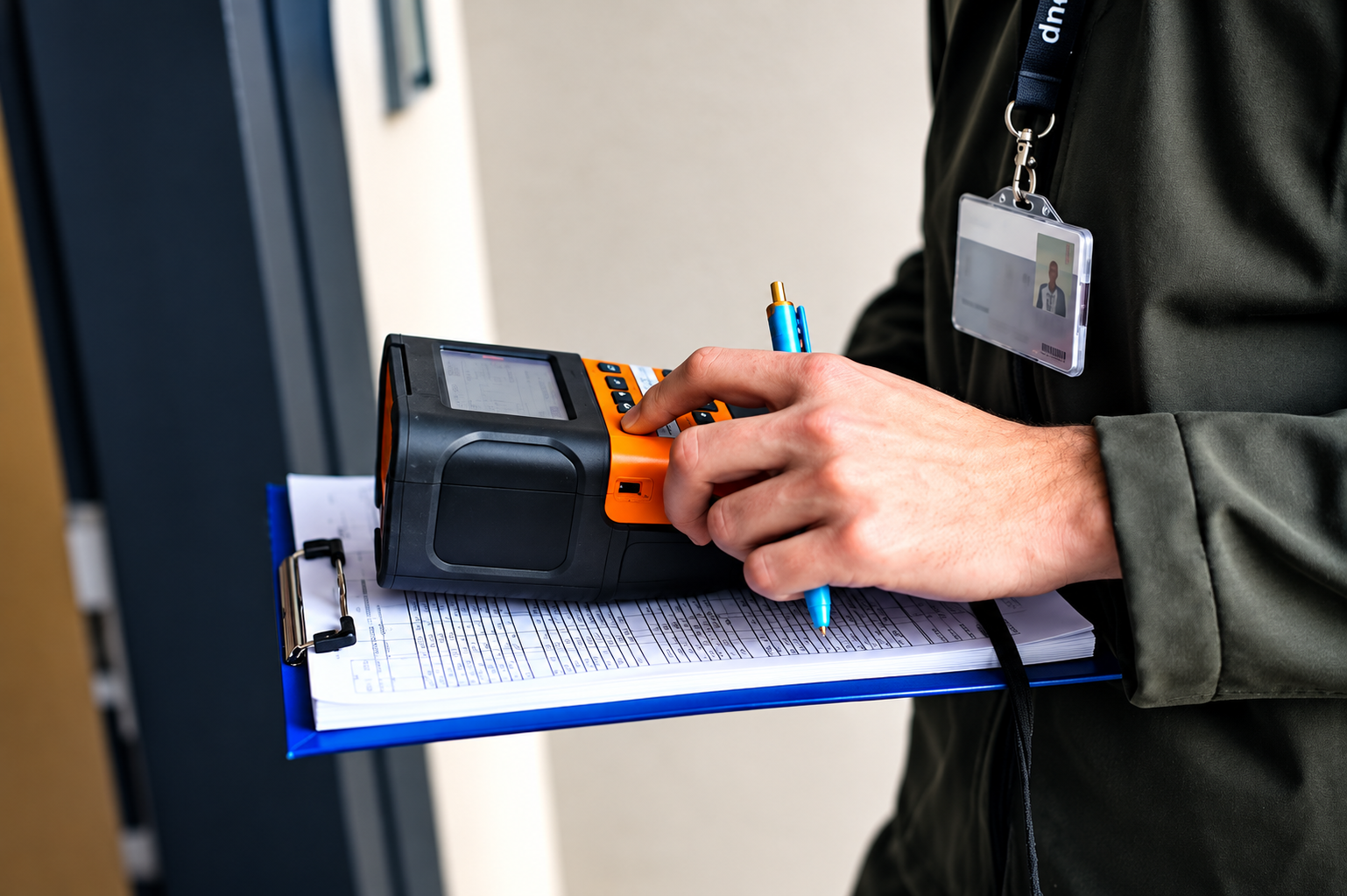
Energy saving consultants evaluate the factors that influence a home’s energy performance. Their work can involve reviewing the building envelope, heating and cooling systems, ventilation, insulation, windows, doors, lighting, appliances, and other energy-related components.
Rather than focusing on one isolated problem, a consultant looks at how these systems interact.
For example, replacing an inefficient heating system may appear to be an obvious solution. However, if a home has significant air leakage or inadequate insulation, the new system may still have to work harder than necessary.
A professional assessment can help identify the underlying issue before homeowners invest time and effort into individual improvements.
Homeowners interested in a broader understanding of energy performance can also explore relevant information through the Star Energy Consultants home page, while those looking for professional guidance can review the company’s energy consulting services.
The Difference Between Guessing and Professional Assessment
Many homeowners notice signs such as uneven room temperatures, unusually cold floors, excessive heat in certain rooms, or HVAC systems that appear to run frequently.
These symptoms can have multiple causes.
For example:
- A cold room may have inadequate insulation.
- High indoor humidity may indicate a ventilation concern.
- Drafts may point to gaps around windows, doors, or other penetrations.
- Uneven temperatures may be associated with ductwork or airflow problems.
- An HVAC system working harder may be responding to excessive heat gain or heat loss.
Energy saving consultants consider these factors together instead of treating every symptom as a separate problem. Read our blogs for more helpful insights and practical tips on improving energy efficiency and making informed decisions about your home’s energy needs.
Where Hidden Energy Loss Commonly Occurs
Some of the most important inefficiencies are not immediately visible during a normal walk-through. A home may require energy loss detection to identify problems that are hidden behind walls, above ceilings, around openings, or within mechanical systems.
Air Leaks and Drafts
Air leakage can occur around windows, doors, vents, utility penetrations, electrical outlets, and other areas where the building envelope is not properly sealed.
Small gaps may seem insignificant individually, but multiple leaks can contribute to unwanted air movement and make indoor temperatures harder to maintain.
Consultants can assess areas where uncontrolled air movement may be affecting home comfort and energy performance.
Insulation Problems
Insulation helps slow the movement of heat between conditioned indoor spaces and the outdoors. If insulation is missing, compressed, deteriorated, or insufficient for a particular area, the home may experience increased heat transfer.
Attics, exterior walls, floors above unconditioned areas, and other parts of the building envelope deserve attention during an energy assessment.
Windows and Doors
Windows and doors can contribute to energy loss when they have poor seals, damaged weatherstripping, inadequate glazing, or installation-related gaps.
This does not necessarily mean every older window needs to be replaced. A professional assessment can help determine whether the primary concern is the window itself, the surrounding frame, air leakage, shading, or another factor.
Heating and Cooling Systems
Heating and cooling equipment can have a major influence on home energy performance. However, equipment efficiency is only one part of the picture.
Duct leakage, restricted airflow, poor distribution, improper controls, and building envelope problems can all affect how effectively conditioned air reaches living spaces.
This is why residential energy advisory services should consider the entire home rather than focusing exclusively on equipment.
How Energy Saving Consultants Identify Inefficiencies
A professional consultation generally follows a systematic process. The exact assessment will depend on the home, its age, construction, systems, and the homeowner’s concerns.
A useful consulting checklist may include the following areas:
| Home Area | What Consultants May Review | Potential Concern |
| Attic | Insulation and air sealing | Heat transfer and air leakage |
| Windows | Seals, glazing, and condition | Drafts and heat gain or loss |
| Doors | Weatherstripping and gaps | Uncontrolled air movement |
| HVAC | Equipment and distribution | Inefficient operation |
| Ductwork | Connections and airflow | Distribution losses |
| Walls | Insulation and envelope condition | Heat transfer |
| Floors | Insulation and exposed areas | Cold surfaces and energy loss |
| Ventilation | Air movement and moisture | Comfort and indoor conditions |
| Appliances | Energy use and condition | Unnecessary consumption |
This type of structured assessment allows consultants to prioritize problems instead of overwhelming homeowners with a long list of possible upgrades.

Why a Whole-Home Approach Is More Effective
One of the biggest advantages of home energy efficiency consulting is the whole-home perspective.
A home’s components are interconnected. Improving one part can influence how another component performs.
For instance, better air sealing may reduce unwanted air movement. Improved insulation can help stabilize indoor temperatures. Better airflow management may allow heating and cooling systems to distribute conditioned air more effectively.
The objective is therefore not to recommend changes simply because they are available. The objective is to understand the home’s specific performance issues and identify appropriate efficiency improvements.
Prioritizing Improvements Based on the Home
Every property is different. A newly constructed home may have different concerns from an older property. A home with recent HVAC upgrades may benefit more from investigating the building’s envelope, while another property may require closer attention to ventilation or insulation.
Energy saving consultants can help homeowners separate:
- Immediate performance concerns
- Potential sources of energy loss
- Comfort-related problems
- Maintenance considerations
- Longer-term efficiency improvements
- Areas requiring further professional evaluation
This creates a more informed decision-making process.
The Role of Energy Assessments in Better Home Decisions
Homeowners often face a common challenge: knowing where to start.
There may be numerous products, upgrades, technologies, and recommendations available, but without understanding the home’s existing condition, it can be difficult to determine which improvements are appropriate.
An energy assessment provides context.
Instead of asking, “What should I replace?” homeowners can begin asking better questions:
- Where is my home losing energy?
- What is causing uncomfortable rooms?
- Which systems may be working harder than necessary?
- Are air leaks or insulation problems affecting performance?
- Which efficiency improvements should receive attention first?
- What information should I give to a contractor before requesting work?
This approach can make future home improvement decisions more organized and informed.
When Should Homeowners Consider Energy Consulting?
There is no single type of home that needs an energy assessment. Several situations may indicate that professional guidance could be useful.
Consider an energy consultation if:
- Different rooms have noticeably different temperatures.
- Drafts are present around windows, doors, or other areas.
- Heating or cooling performance seems inconsistent.
- The HVAC system appears to operate frequently.
- The attic or insulation condition is uncertain.
- The home has undergone remodeling or additions.
- Comfort problems persist despite previous improvements.
- You want to understand energy loss before planning upgrades.
- You are preparing a long-term home improvement strategy.
A professional assessment can provide homeowners with a clearer understanding of what may happen inside the property.
What Makes Professional Energy Consulting Valuable?
The value of consulting comes from informed observation, structured evaluation, and prioritization.
A homeowner may recognize that a particular room is uncomfortable, but determining why it happens can require a broader investigation.
Professional energy saving consultants can connect visible symptoms with potential underlying causes and help homeowners understand how different components of the property contribute to overall performance.
At Star Energy Consultants, the emphasis should be on education and practical guidance. Homeowners deserve to understand what an assessment reveals, why a particular issue matters, and how recommended improvements relate to the home’s overall performance.
For homeowners who want to understand the company and its approach before requesting assistance, the About Star Energy Consultants page can provide a useful internal resource.
Building a Practical Home Efficiency Strategy
Identifying inefficiencies is the only step. The next step is to create a practical strategy.
A useful strategy should consider the home’s current condition, the homeowner’s priorities, comfort concerns, and the relationship between different systems.
A simple process can look like this:
Assess → Identify → Prioritize → Improve → Review
First, assess the home’s current energy performance. Next, identify potential sources of loss or inefficiency. Then prioritize improvements according to their relevance and potential impact.
Once improvements are implemented, homeowners can review the home’s comfort and performance to determine whether additional attention is needed.
This process avoids treating energy efficiency as a one-time decision. Instead, it becomes an ongoing approach to maintaining a better-performing home.
Why Expert Guidance Matters
Energy efficiency can involve technical details that are difficult to evaluate through visual inspection alone. Professional guidance helps homeowners understand those details in the context of their specific property.
Experienced consultants can also help prevent a common problem: addressing a visible symptom while overlooking the underlying cause.
For example, a homeowner might focus on replacing equipment when the larger concern involves air leakage or insulation. Another homeowner might replace windows without first determining whether surrounding air sealing is contributing to the problem.
Professional residential energy advisory services provide a more structured way to investigate these concerns.
Conclusion: Start With Understanding Your Home
Energy efficiency begins with understanding what is happening inside a property. Hidden air leaks, insulation deficiencies, inefficient airflow, equipment concerns, and other issues can influence comfort and overall home performance without always being obvious to homeowners.
Working with energy saving consultants gives homeowners a structured way to investigate these concerns, understand potential energy loss, and identify practical efficiency improvements.
For Star Energy Consultants, the focus is on helping homeowners make informed decisions through professional insight, careful assessment, and a whole-home perspective.
If you are concerned about home energy performance or want to better understand where inefficiencies may exist, Contact us to discuss your home’s energy needs and explore the next step toward a more efficient and comfortable home.
Frequently Asked Questions
1. What are energy saving consultants?
Energy saving consultants assess how a home uses and loses energy. They identify inefficiencies and recommend practical ways to improve home energy performance.
2. How can energy saving consultants find hidden energy loss?
They evaluate areas such as insulation, air leaks, HVAC systems, windows, doors, and ventilation. This helps identify hidden issues that may affect comfort and energy efficiency.
3. Is home energy efficiency consulting useful for older homes?
Yes, older homes can have insulation gaps, air leaks, outdated systems, or other efficiency concerns. Consulting can help identify areas that may need attention.
4. What should homeowners prepare before an energy consultation?
Homeowners can note drafts, uneven temperatures, HVAC concerns, and previous improvements. This information helps consultants better understand the home’s specific needs.
5. Can an energy consultant help prioritize efficiency improvements?
Yes. Consultants can review identified issues and help homeowners understand which efficiency improvements should be considered based on the home’s condition and performance.