
Have you ever wondered why some rooms in your home feel colder or warmer than others? Or why do your heating and cooling systems seem to run constantly? These problems may be signs of energy inefficiency.
A residential energy audit near me can help homeowners understand how their property uses energy and identify areas where improvements may be needed. A residential energy audit is a professional evaluation of different home components, including insulation, windows, doors, ventilation, heating and cooling systems, and air leakage.
The process involves visual inspections and specialized diagnostic tools to understand how effectively a home maintains indoor temperatures. The findings help homeowners make informed decisions about improving comfort and energy efficiency.
Star Energy Consultants provides residential energy consulting to help homeowners across Kansas and Missouri understand their home’s energy performance and identify practical improvement opportunities.
What Is a Residential Energy Audit?
A residential energy audit is an assessment of a home’s energy performance. It examines how different building components work together to maintain comfortable indoor conditions.
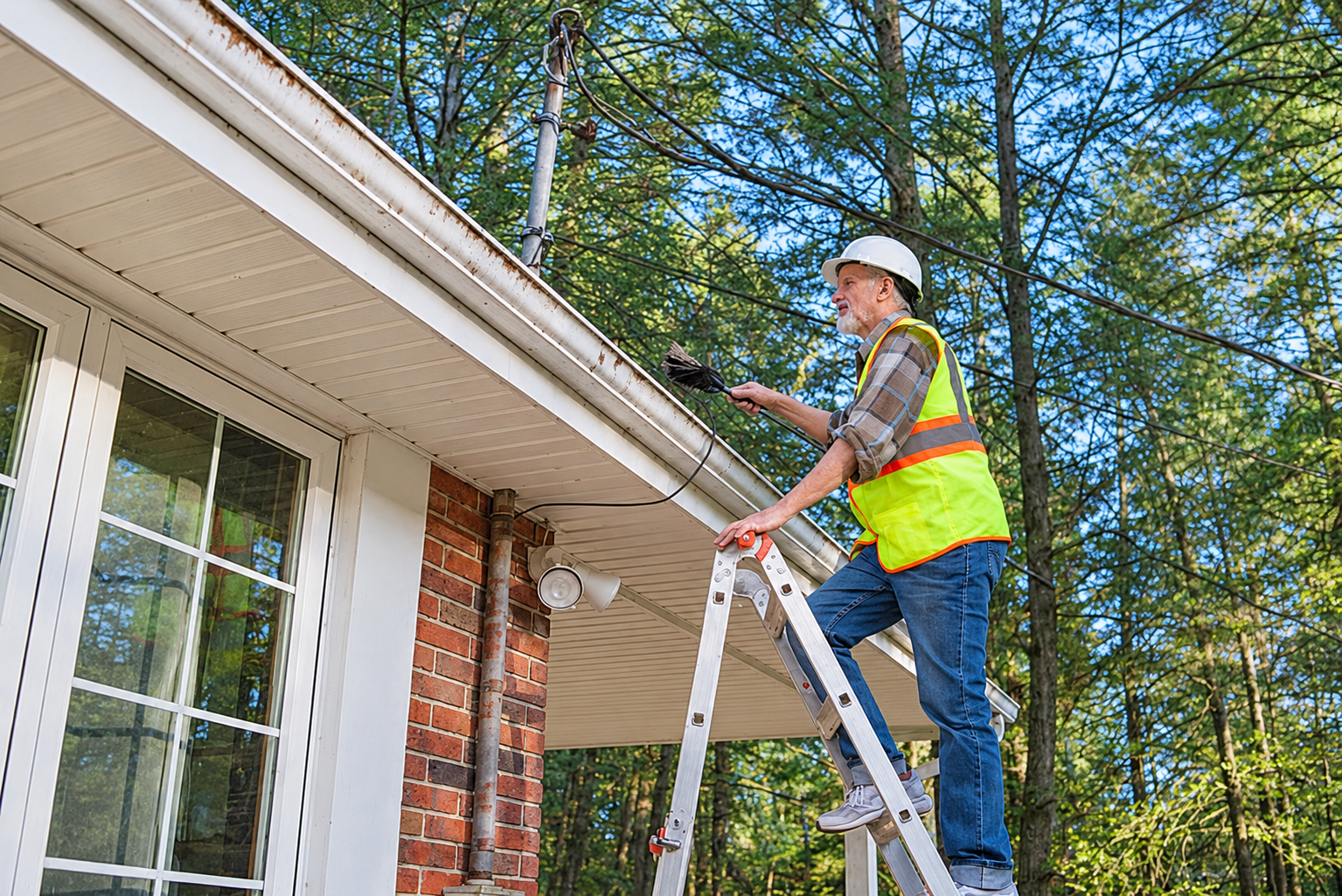
During an inspection, an energy consultant evaluates areas that may contribute to unnecessary energy loss or inconsistent temperatures.
A typical assessment may include:
- Inspecting attic and wall insulation.
- Check windows and doors for air leaks.
- Evaluating heating and cooling systems.
- Examining ductwork and airflow.
- Assessing ventilation.
- Identifying potential moisture concerns.
- Reviewing household energy consumption.
The goal is to understand how the home performs and identify areas that may benefit from improvements.
Why Is a Home Energy Audit Important?
Energy problems are not always easy to recognize. A home may have insulation gaps, leaking ducts, or poor ventilation without obvious signs.
A professional home energy audit helps homeowners identify these issues and understand their property energy performance before planning improvements.
Identify Hidden Air Leaks
Small openings around windows, doors, electrical outlets, and attic access points can allow outdoor air to enter the home. An audit helps locate these areas and determine whether air sealing may be necessary.
Improve Indoor Comfort
Uneven temperatures can make certain rooms uncomfortable. Insulation deficiencies, restricted airflow, and air leakage may contribute to these conditions.
An energy assessment helps identify possible causes.
Understand HVAC Performance
Heating and cooling systems depend on proper airflow and suitable building conditions. Leaking ducts, poor insulation, and ventilation problems can affect system performance.
Plan Home Improvements
Instead of guessing which upgrades are necessary, homeowners can use audit findings to prioritize improvements based on their property’s actual condition.
Understanding the Residential Energy Audit Process
If you are searching for a residential energy audit near me, understanding the inspection process can help you know what to expect.
Although the exact procedures vary by property, a comprehensive assessment generally includes the following steps.
1. Initial Consultation
The consultant begins by discussing the home’s energy concerns. This may include unusual utility consumption, uncomfortable rooms, drafts, or heating and cooling problems.
Previous utility bills can also help identify household energy usage patterns.
2. Exterior Inspection
The consultant examines the building’s exterior, including windows, doors, walls, and accessible roof areas.
The inspection looks for visible gaps, damaged seals, and other conditions that may contribute to unwanted air movement.
3. Interior Inspection
Inside the property, the consultant examines insulation, windows, doors, ventilation openings, and HVAC components.
Temperature differences between rooms and possible airflow restrictions are also considered.
4. Insulation Assessment
Insulation helps reduce heat transfer between indoor and outdoor environments.
The consultant checks accessible insulation areas, particularly attics, to identify missing, damaged, or insufficient insulation.
5. Diagnostic Testing
Specialized equipment may be used to investigate air leakage, temperature differences, and duct performance.
Common methods include blower door testing, thermal imaging, and duct leakage testing.
6. Findings and Recommendations
After the inspection, the consultant reviews the findings and explains which areas may require attention.
Homeowners receive recommendations to help prioritize suitable energy efficiency improvements.
Tools Used During a Home Energy Assessment
Professional diagnostic tools help consultants identify problems that may not be visible during an ordinary inspection.
Blower Door Test
A blower door test measures how much air leaks through a home building envelope.
The equipment uses a temporary fan installed on an exterior doorway to create a pressure difference between indoor and outdoor spaces.
This helps identify potential leakage around:
- Windows and exterior doors.
- Attic access openings.
- Electrical and plumbing penetrations.
- Baseboards and floor connections.
- Structural gaps.
The results provide useful information about the home’s airtightness.
Thermal Imaging
Thermal imaging uses an infrared camera to identify temperature differences across surfaces.
It can help reveal potential insulation gaps, heat transfer, and air leakage patterns.
Common areas examined include exterior walls, ceilings, windows, and attic spaces.
Thermal images do not automatically confirm a specific defect. The consultant interprets the results alongside other inspection findings.
Duct Leakage Testing
Ductwork distributes heated or cooled air throughout the home. Gaps, damaged connections, or poorly sealed ducts can allow conditioned air to escape.
Duct leakage testing helps identify these issues and evaluate the condition of the air distribution system.
Temperature and Airflow Tools
Temperature and airflow instruments help consultants understand how effectively heating and cooling systems distribute air throughout the property.
These measurements can help explain why certain rooms experience inconsistent temperatures.

What Areas of Your Home Are Evaluated?
A complete home energy assessment considers multiple building components.
| Home Area | What Is Checked | Purpose |
| Attic | Insulation and air sealing | Identify potential heat loss |
| Windows | Seals and gaps | Detect air leakage |
| Doors | Weatherstripping | Reduce unwanted drafts |
| Walls | Insulation and temperature differences | Evaluate heat transfer |
| HVAC systems | Equipment and airflow | Understand system performance |
| Ductwork | Leaks and connections | Assess air distribution |
| Ventilation | Air movement | Identify ventilation concerns |
| Lighting and appliances | Energy usage | Understand consumption patterns |
Examining these components together helps consultants develop a better understanding of overall home performance.
Common Energy Problems an Audit Can Reveal
A residential energy audit can help identify several problems that affect household comfort and efficiency.
Poor attic insulation: Insufficient insulation can allow unwanted heat to transfer through the ceiling and roof areas.
Air leakage: Gaps around windows, doors, and structural openings can allow outdoor air to enter and condition air to escape.
Leaking ductwork: Damaged or poorly sealed ducts can reduce the effectiveness of heating and cooling systems.
Inadequate ventilation: Poor ventilation may contribute to moisture accumulation and indoor air quality concerns.
Uneven temperatures: Differences between rooms may be related to insulation, airflow, or HVAC distribution problems.
Identifying the underlying cause helps homeowners understand which improvements may be appropriate. Explore our other blogs to learn more about home energy efficiency, insulation, and practical ways to improve your home’s overall performance.
How to Prepare for a Residential Energy Audit
A little preparation can make the inspection more productive.
Before the appointment, consider these steps:
- Collect recent electricity and gas utility bills.
- Make a list of rooms with uncomfortable temperatures.
- Clear access to attic entrances and HVAC equipment.
- Share details about previous insulation or window improvements.
- Note any recurring drafts, moisture, or ventilation concerns.
- Prepare questions about your home’s energy performance.
These details help the consultant understand your concerns and focus on relevant areas during the assessment.
How to Choose the Right Residential Energy Audit Service
When looking for a home energy assessment near me, consider the company’s experience and inspection methods.
Here are some factors worth reviewing:
- Relevant experience: Look for professionals familiar with residential building performance.
- Diagnostic equipment: Ask whether they use blower doors, thermal cameras, and duct testing equipment.
- Whole-home approach: The assessment should consider insulation, ventilation, HVAC systems, and air leakage together.
- Clear reporting: Findings should be explained in a simple language.
- Practical recommendations: Guidance should relate to the actual condition of your property.
Choosing a knowledgeable energy consultant helps you understand your home’s needs before making improvement decisions.
How Star Energy Consultants Helps Homeowners
Star Energy Consultants focuses on residential energy audits and consulting for homeowners across Kansas and Missouri.
The company takes a consulting-first approach, helping homeowners understand their property’s energy performance rather than focusing primarily on selling installation services.
Its assessment approach includes:
- Whole-home energy evaluations.
- Blower door testing and air leakage inspections.
- Thermal imaging to investigate temperature differences.
- Duct leakage testing.
- Insulation and ventilation assessments.
- Practical recommendations for improving home performance.
- Guidance with applicable energy improvement incentives.
- Follow-up assessments to review completed improvements.
Homeowners can also explore the latest special offers on energy efficiency services from us to learn about available home energy audit programmed, insulation incentives, and energy efficiency opportunities.
Conclusion
A residential energy audit provides valuable insight into how your home uses energy and where improvements may be needed. From checking insulation and identifying air leaks to evaluating HVAC systems and using thermal imaging, the process helps uncover issues that may affect comfort and efficiency.
Understanding these findings allows homeowners to prioritize improvements based on their property’s actual requirements.
If you are searching for a residential energy audit in Kansas or Missouri, Star Energy Consultants can help you understand your home’s energy performance through professional assessments and practical recommendations. Contact us to discuss your home’s energy concerns and take the first step toward a more comfortable and energy-efficient home.
Frequently Asked Questions
1. What Is a Residential Energy Audit?
It is an inspection of your home’s energy use, insulation, ventilation, air leakage, and heating and cooling systems.
2. What Does a Blower Door Test Do?
It measures air leakage through your home’s building envelope.
3. Can Thermal Imaging Identify Insulation Problems?
Yes. It can reveal temperature differences that may indicate insulation gaps or heat transfer.
4. When Should I Get a Home Energy Audit?
Consider one when you experience uncomfortable temperatures, unusual energy consumption, or plan home improvements.
5. Does Star Energy Consultants Serve Kansas and Missouri?
Yes, the company provides residential energy audit and consulting services.