
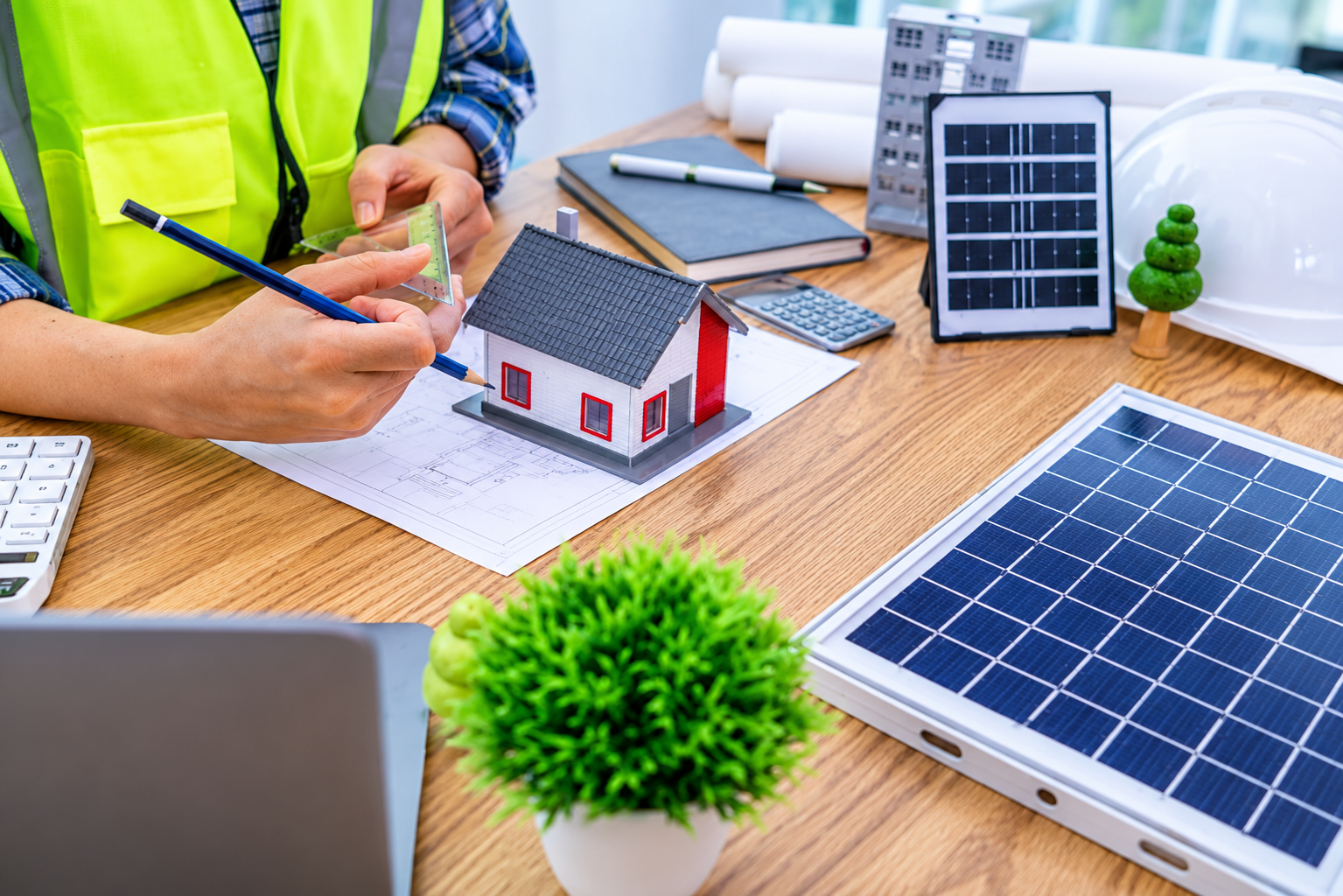
Homeowners often notice rising utility bills, uncomfortable rooms, or heating and cooling systems that seem to work harder than necessary. However, identifying the actual cause of these problems is not always straightforward. Poor insulation, hidden air leaks, inefficient HVAC operation, and inadequate ventilation can all contribute to unnecessary energy consumption. This is where energy saving consultants can make a meaningful difference.
Energy saving consultants evaluate how a home uses energy, identify areas where efficiency may be improved, and recommend practical solutions based on the property’s condition. Instead of relying on guesswork or immediately replacing equipment, homeowners can use professional assessments to understand which improvements deserve attention.
At Star Energy Consultants, the focus is on comprehensive home energy audits and helping homeowners make informed decisions about residential energy improvements. The goal is to identify energy waste, improve indoor comfort, and help homeowners understand the most effective ways to improve their home’s overall performance.
What Do Energy Saving Consultants Actually Do?
Energy saving consultants examine different parts of a property to understand how effectively it uses energy. Their work involves evaluating the building structure, insulation, air movement, heating and cooling equipment, and other factors that influence energy consumption.
A professional assessment looks beyond individual problems. For example, a room that feels cold during winter may not have an HVAC problem. The actual cause could be insufficient insulation, air leakage around windows, or gaps in the building envelope.
Consultants help homeowners understand these connections before deciding which improvements are necessary.
Their responsibilities may include:
- Evaluating the home’s current energy performance.
- Identifying insulation gaps and air leakage.
- Examining heating and cooling systems.
- Checking ductwork and airflow conditions.
- Using diagnostic equipment to identify hidden problems.
- Preparing recommendations for energy efficiency improvements.
- Helping homeowners understand available improvement programs and rebates.
- Supporting homeowners throughout the improvement process.
This approach helps homeowners make decisions based on actual findings rather than assumptions.
Why Is a Professional Home Energy Audit Important?
A home energy audit is one of the most useful ways to understand where energy may be wasted. It provides a closer look at the conditions affecting your home’s efficiency, comfort, and overall performance.
Homeowners who want to understand the value of professional guidance can also explore our guide on when to hire residential energy advisory services for your home to learn when expert support can make a difference in improving home efficiency.
A professional energy audit helps identify these issues and provides a clearer direction for improvements.
Identifying Hidden Energy Loss
Some energy efficiency problems are difficult to notice during everyday activities. Small openings around doors, windows, attic spaces, and other structural areas can allow outside air to enter while conditioned indoor air escapes.
Professional assessments can identify these areas using specialized diagnostic equipment.
Improving Indoor Comfort
Uneven temperatures, cold drafts, and overheated rooms can make a home uncomfortable throughout the year. An energy assessment helps determine whether insulation, airflow, ductwork, or air leakage contributes to these conditions.
Supporting Better Home Improvement Decisions
An audit helps homeowners understand which improvements may offer the greatest benefit. Rather than replacing several components without understanding the problem, homeowners can prioritize solutions based on the assessment findings.
How Energy Saving Consultants Evaluate Your Home
A whole-home assessment considers several interconnected systems. Every component affects the way a property maintains comfortable indoor temperatures and uses energy.
At Star Energy Consultants, the assessment process can include visual inspections and specialized diagnostic testing to understand the home’s performance.
1. Insulation Upgrades for Better Temperature Control
Insulation plays an important role in maintaining comfortable indoor temperatures. It slows heat transfer between the inside and outside of a home, helping heating and cooling systems maintain the desired temperature.
When insulation is insufficient, damaged, or improperly installed, the home may lose air conditioning more quickly. This can contribute to uncomfortable rooms and increased heating or cooling demands.
Energy saving consultants examine insulation conditions in areas such as:
- Attics and roof spaces.
- Exterior walls.
- Floors above unconditioned areas.
- Crawl spaces.
- Other areas where insulation may be missing or inadequate.
The assessment helps determine whether existing insulation is performing as expected and where improvements may be beneficial.
Star Energy Consultants provides home insulation assessments to help homeowners understand their property’s insulation needs and identify suitable improvement opportunities.
2. Air Sealing to Reduce Unwanted Air Leakage
Air leakage is another common reason homes struggle to maintain comfortable temperatures. Small cracks, gaps, and openings can allow outdoor air to enter and conditioned air to escape.
These problems may occur around window frames, exterior doors, attic openings, plumbing penetrations, and other areas of the building envelope.
Air sealing helps reduce uncontrolled airflow by addressing these openings.
How Consultants Identify Air Leaks
A professional assessment may use blower door testing to measure how easily air moves through the home building envelope. Thermal imaging can also help identify temperature differences that may indicate insulation gaps or air leakage.
Once problem areas are identified, consultants can recommend appropriate sealing improvements.
Common areas that may require attention include:
- Gaps around the windows and doors.
- Openings around plumbing and electrical penetrations.
- Attic access points.
- Basement and crawl space openings.
- Connections between different building materials.
You can also explore our air sealing and draft sealing services to understand how identifying and addressing air leakage can improve home comfort.
3. HVAC Optimization for Better Energy Performance
Heating and cooling systems are essential for maintaining indoor comfort, but their performance depends on more than the equipment itself.
Insufficient airflow, leaking ducts, poor insulation, and incorrect system operation can all affect HVAC efficiency.
Energy saving consultants evaluate the relationship between heating and cooling equipment and the rest of the home. This helps determine whether the system is operating under unnecessary strain because of other building performance issues.
An HVAC evaluation may consider:
- Heating and cooling equipment operation.
- Airflow throughout different rooms.
- Ductwork condition and leakage.
- Temperature differences between living spaces.
- Ventilation and overall system performance.
For example, a bedroom that remains warmer than other rooms may have an airflow problem or poorly insulated ductwork. Replacing the entire HVAC system may not be the first or most appropriate solution.
A comprehensive assessment helps homeowners understand the possible causes before planning improvements.

4. Using Diagnostic Technology to Find Hidden Problems
Modern energy assessments use specialized tools to identify problems that may not be visible during a standard home inspection.
These tools provide useful information about air movement, temperature differences, and building performance.
Blower Door Testing
A blower door test measures how airtight a home is by creating a controlled pressure difference between the indoor and outdoor environments.
The test helps identify whether excessive air leakage is affecting the property’s efficiency.
Thermal Imaging
Thermal imaging cameras detect surface temperature differences. These images can help reveal potential insulation gaps, air leakage patterns, and areas where heat may be moving through the building envelope.
Duct Leakage Testing
Leaking ducts can allow air conditioning to escape before it reaches the intended rooms. Duct testing helps identify leakage and other airflow concerns that may affect comfort and system performance.
By combining these testing methods, energy saving consultants can develop a more complete understanding of a home’s energy performance.
5. Helping Homeowners Prioritize Energy Improvements
Identifying problems is only one part of an energy assessment. Homeowners also need to understand which improvements should be addressed first.
Not every home requires the same solutions. One property may have significant attic insulation issues, while another may experience excessive air leakage or ductwork problems.
A professional assessment helps organize recommendations according to the home’s actual needs.
A practical improvement plan may involve:
- Addressing significant air leakage.
- Improving insufficient or damaged insulation.
- Evaluating ventilation conditions.
- Correcting ductwork leakage and airflow concerns.
- Reviewing HVAC operation.
- Considering other energy-efficient improvements.
The order of improvements should depend on the assessment of findings, safety considerations, and how different building systems interact.
This helps homeowners avoid unnecessary upgrades and make more informed decisions about their properties.
6. Understanding Energy Rebates and Available Incentives
Home energy improvements may qualify for certain utility programs, rebates, or incentives. However, eligibility requirements can vary depending on the location, utility provider, improvement type, and applicable program guidelines.
Understanding these opportunities can be confusing for homeowners who are unfamiliar with the process.
Energy saving consultants can help homeowners identify relevant programs, understand general eligibility requirements, and organize the documentation needed for applicable incentives.
At Star Energy Consultants, homeowner assistance extends beyond identifying energy problems. The team also helps with finding suitable contractors, completing rebate paperwork, and reviewing completed improvement work. Read our blogs to explore more helpful insights, practical tips, and guidance on improving your home’s energy efficiency.
Why Choose Independent Energy Saving Consultants?
Choosing the right professional matters because the recommendations you receive can influence future home improvement decisions.
An independent consulting approach focuses on evaluating the home’s actual needs rather than automatically recommending products or installation services.
Star Energy Consultants specializes in home energy audits rather than using energy evaluations simply to sell insulation or HVAC installations.
This approach offers several benefits:
- Objective recommendations: Homeowners receive guidance based on identified energy performance concerns.
- Whole-home evaluation: Different systems are considered together rather than examined in isolation.
- Professional testing: Diagnostic tools help uncover problems that may otherwise go unnoticed.
- Improvement guidance: Homeowners receive support when identifying suitable contractors and services.
- Follow-up assistance: Completed work can be reviewed to help confirm that the agreed improvements were completed, and no safety concerns arose.
The company works as a homeowner advocate throughout the process, helping people understand their options and make informed decisions.
Conclusion
Star Energy Consultants is committed to helping homeowners make informed decisions through independent energy consulting, comprehensive home assessments, and continued improvement of guidance. You can also explore our current specials to learn about available opportunities for your home energy improvements. If you want to reduce energy waste, improve indoor comfort, and understand your home’s efficiency needs, contact us today to schedule a home energy audit and take the first step toward a more comfortable and energy-efficient home.
Frequently Asked Questions
1. What do energy saving consultants do?
They evaluate a home’s energy performance, identify energy waste, and recommend improvements involving insulation, air sealing, HVAC systems, and other components.
2. Can an energy audit reduce utility bills?
An energy audit identifies potential sources of energy waste and recommends improvements that may help reduce unnecessary energy consumption and utility costs.
3. Why is air sealing important?
Air sealing reduces unwanted airflow through gaps and cracks, helping maintain indoor temperatures and improve overall home comfort.
4. Do energy consultants check HVAC systems?
Yes. They can evaluate HVAC operation, airflow, ductwork, and related conditions that may affect heating and cooling efficiency.
5. When should I schedule a home energy audit?
Consider an audit when you notice high utility bills, uneven temperatures, drafts, or other signs that your home may not be using energy efficiently.