
Temperature imbalances are one of the most common comfort problems homeowners experience. Many households notice that certain rooms feel much warmer or colder than the rest of the house, even when the heating or cooling system appears to be functioning properly.
These inconsistencies can result from several factors including insulation issues, airflow problems, or inefficient HVAC systems. Identifying the underlying cause often requires a detailed evaluation of the home’s energy performance.
Star Energy Consultants helps homeowners understand these issues through professional home energy consulting and energy performance assessments. By identifying where energy loss occurs and how air moves through the house, homeowners can address the root causes of uneven temperatures.
This guide explains why some rooms become hot or cold, how these issues affect energy use, and how professional assessments can help restore comfort throughout the home.
Understanding Temperature Imbalances in Homes
Temperature differences between rooms typically occur when air circulation or insulation is uneven. Modern heating and cooling systems are designed to distribute conditioned air evenly, but several structural and mechanical factors can interfere with this process.
Homes with temperature imbalances may experience:
- rooms that stay cold in winter
- bedrooms that feel hotter than the rest of the house
- upper floors warmer than lower levels
- constant thermostat adjustments
Many homeowners begin investigating these issues through Home energy audit consulting, which evaluates insulation, air leaks, and HVAC performance.
Common Reasons Some Rooms Are Hot or Cold
Several building and system factors influence how heat and cool air move throughout a home.
1. Poor Insulation
Insulation acts as a thermal barrier that slows heat transfer between indoor and outdoor environments. If certain areas of the home have insufficient insulation, they may lose heat faster during winter or gain heat during summer.
Common insulation problems include:
- thin attic insulation
- poorly insulated exterior walls
- missing insulation in older homes
- gaps around ceiling fixtures
These conditions can cause rooms located near attics, garages, or exterior walls to experience noticeable temperature differences.
2. Air Leaks Around Doors and Windows
Air leakage allows outdoor air to enter the home and conditioned air to escape. This can significantly affect indoor comfort and increase heating or cooling costs.
Typical sources of air leakage include:
- window frames
- door seals
- attic hatches
- electrical outlets on exterior walls
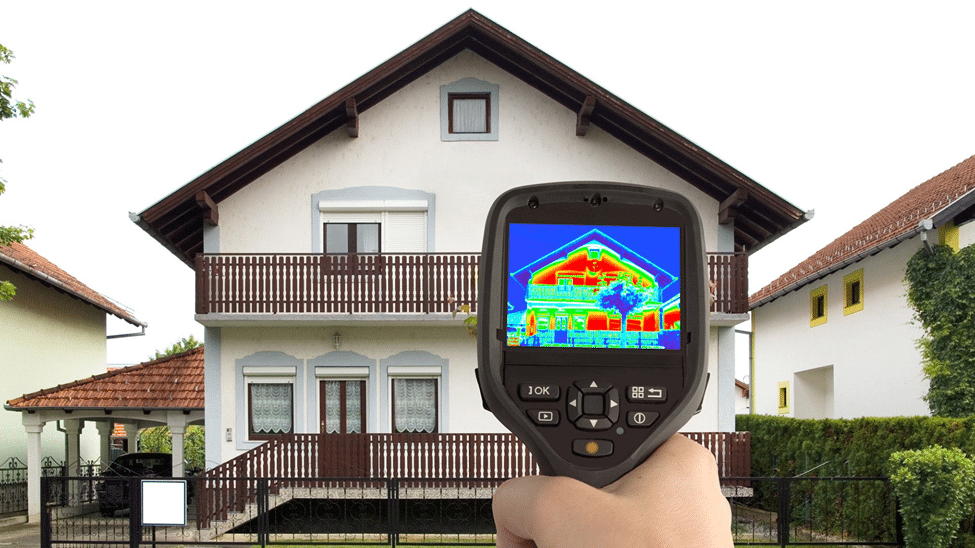
Through energy consulting for homeowners, specialists can identify these leaks using diagnostic tools such as blower door tests and thermal imaging.
3. Blocked or Poorly Designed Air Ducts
The HVAC duct system distributes heated or cooled air throughout the home. If ducts are poorly designed, obstructed, or leaking, airflow can become uneven.
Common duct issues include:
- disconnected duct sections
- crushed or bent ducts
- leaks in duct connections
- inadequate airflow to distant rooms
These problems often cause certain rooms to receive less conditioned air than others.
4. HVAC System Size and Performance
Heating and cooling systems must be properly sized to maintain balanced temperatures. If a system is too small or too large, it may struggle to regulate airflow evenly.
Oversized systems can cycle on and off quickly, preventing proper air distribution. Undersized systems may run continuously without reaching the desired temperature.
Professional home energy efficiency consulting evaluates HVAC performance to determine whether equipment capacity matches the home’s requirements.
5. Sun Exposure and Room Orientation
Rooms that receive direct sunlight for long periods tend to become warmer than shaded areas. South and west facing rooms often experience higher temperatures, especially during summer months.
Factors that influence solar heat gain include:
- window size and orientation
- shading from trees or structures
- window glazing type
- roof insulation levels
Addressing these factors can significantly improve temperature balance.
6. Multi Level Home Layouts
Heat naturally rises, which is why upper floors are often warmer than lower levels. This effect becomes more noticeable in homes with:
- large open staircases
- vaulted ceilings
- limited attic insulation
Balancing temperatures in multi level homes often requires airflow adjustments or insulation improvements.
Many homeowners explore solutions through residential energy consulting to better understand how building structure influences indoor temperature distribution.
Common Causes of Hot or Cold Rooms and Possible Solutions
Working with energy saving consultants helps homeowners identify the most effective solutions based on the home’s specific conditions.
| Problem | Impact on Comfort | Possible Solution |
| Poor insulation | Heat loss or heat gain in certain rooms | Upgrade attic or wall insulation |
| Air leaks | Drafts and temperature fluctuations | Seal windows, doors, and gaps |
| Duct leakage | Reduced airflow to rooms | Repair or seal duct system |
| HVAC sizing issues | Inconsistent heating and cooling | System evaluation or upgrade |
| Sun exposure | Rooms overheating during daytime | Install shading or energy efficient windows |
| Poor airflow | Uneven air distribution | Adjust vents and airflow balance |
How a Home Energy Audit Identifies the Problem
A home energy audit is one of the most reliable ways to diagnose temperature imbalance issues.
During an energy audit, specialists evaluate several aspects of the home including:
- insulation levels
- air leakage points
- duct performance
- HVAC system efficiency
- overall energy usage patterns
Professional Home energy audit consulting uses diagnostic tools such as blower door testing and infrared cameras to identify hidden energy losses.
Key Benefits of an Energy Audit
Energy audits provide homeowners with detailed insights including:
- identification of temperature imbalance causes
- recommended efficiency improvements
- estimated energy savings
- prioritised upgrade plans
This information helps homeowners make informed decisions about improving comfort and efficiency.
Practical Solutions for Temperature Imbalances
Once the underlying issues are identified, several solutions may help balance temperatures throughout the home.
Improve Insulation
Adding or upgrading insulation in attics and walls helps stabilise indoor temperatures and reduce energy loss. Proper insulation also improves heating and cooling efficiency by slowing heat transfer, keeping indoor conditions more consistent throughout different seasons and weather conditions.
Seal Air Leaks
Weather stripping, caulking, and sealing gaps around openings can significantly reduce unwanted air infiltration. These improvements help prevent drafts, maintain indoor comfort, and reduce the strain placed on heating and cooling systems during extreme weather conditions.
Balance HVAC Airflow
Adjusting vents and dampers can improve airflow distribution between rooms. Ensuring that supply and return vents remain unobstructed also allows conditioned air to circulate effectively, helping maintain balanced temperatures across different areas of the home.
Upgrade Windows
Energy efficient windows reduce heat transfer and improve indoor temperature control. Modern window designs often include insulated frames and advanced glazing that help maintain comfortable indoor conditions while reducing heating and cooling demands.
Homeowners exploring these upgrades may also qualify for efficiency incentives through Residential energy advisory services that support energy improvement projects.
How Temperature Imbalances Affect Energy Costs
Uneven temperatures often cause homeowners to adjust thermostats frequently in an attempt to maintain comfort. This behaviour can increase energy consumption.
When heating and cooling systems work harder to compensate for airflow or insulation issues, energy bills typically rise.
Through energy consulting for homeowners, specialists can recommend targeted upgrades that reduce energy waste while improving comfort levels.
Long Term Benefits of Addressing Temperature Issues
Correcting temperature imbalances offers several advantages beyond immediate comfort improvements.
- Lower Energy Bills: Efficient insulation and airflow reduce heating and cooling demands.
- Improved Indoor Comfort: Balanced temperatures make all rooms usable and comfortable throughout the year.
- Increased Property Value: Energy efficient homes are often more attractive to potential buyers.
- Reduced Environmental Impact: Lower energy consumption helps reduce greenhouse gas emissions.
Homeowners often research efficiency strategies through resources like home energy consulting to learn how building performance affects comfort and energy use.
Conclusion
Rooms that feel consistently hot or cold are often a sign of underlying energy efficiency issues within the home. Factors such as insulation gaps, airflow problems, solar heat gain, and HVAC performance can all influence how temperatures are distributed across living spaces.
Star Energy Consultants works with homeowners to identify these issues and recommend practical solutions that improve both comfort and efficiency. By analysing building performance and energy use, homeowners can better understand how to address temperature imbalances and reduce energy waste.
Homeowners interested in improving indoor comfort and identifying efficiency opportunities can explore home energy consulting services to begin evaluating their home’s performance and possible improvements.
Frequently Asked Questions
1. Why are upstairs rooms usually hotter than downstairs?
Heat naturally rises, causing upper floors to trap warm air. Insulation and airflow improvements can help balance temperatures.
2. Can insulation alone fix hot or cold rooms?
Insulation helps significantly, but other factors such as duct design and air leaks may also contribute to temperature differences.
3. What is a home energy audit?
A home energy audit evaluates insulation, air leaks, HVAC performance, and energy use to identify efficiency improvements.
4. How long does an energy audit take?
Most residential energy assessments take between one and three hours depending on the size and complexity of the property.
5. Are temperature imbalances common in older homes?
Yes. Older homes often have insulation gaps, aging duct systems, or outdated windows that contribute to uneven temperatures.