
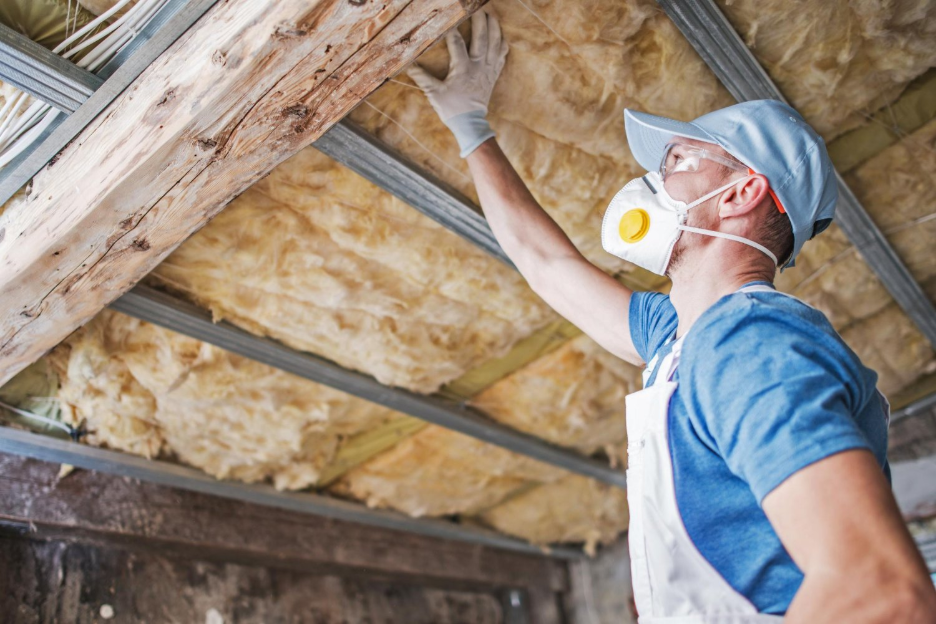
Maintaining a comfortable indoor environment is a priority for every homeowner. However, many people struggle with inconsistent temperatures, rising utility bills, and persistent drafts without realizing the root cause. Often, the culprit is inadequate or aging insulation. Understanding the signs of poor insulation is the first step toward creating a more sustainable and comfortable living space.
In this comprehensive guide, we will explore the physical and financial indicators of insulation failure, the benefits of professional intervention, and the steps you can take to restore your home’s thermal envelope.
Understanding the Role of Home Insulation
Insulation acts as a barrier to heat flow. In the winter, it keeps heat inside your living spaces; in the summer, it prevents outdoor heat from entering. When this barrier is compromised, your HVAC system must work significantly harder to maintain your desired temperature. This inefficiency leads to unnecessary wear and tear on your equipment and higher energy consumption.
To truly optimize your living environment, many homeowners choose to explore our services to identify specific gaps in their home defense.
Common Signs Your Home Has Poor Insulation
1. Fluctuating Indoor Temperatures
If you notice that some rooms feel like a sauna while others feel like a refrigerator, your insulation is likely uneven or degraded. Proper insulation should provide a consistent thermal blanket across the entire structure. When certain areas are under-insulated, heat transfers quickly through walls and ceilings, creating “hot spots” or “cold spots.”
2. High Energy Bills
A sudden or gradual increase in your monthly energy costs is a major red flag. While energy prices do fluctuate, a consistent trend of high bills often suggests that your home is losing air conditioning. By seeking home energy efficiency consulting, you can pinpoint exactly where your money is leaking out of the house.
3. Frequent Drafts
Do you feel chilly even when the windows are closed? Drafts usually occur around door frames, windows, and electrical outlets, but they can also be caused by poor insulation in the wall cavities. Cold air from the outside finds its way through gaps, forcing you to turn up the thermostat.
4. Ice Dams on the Roof
During winter, ice dams are a clear indicator of poor attic insulation. When heat escapes from your living area into the attic, it warms the roof deck and melts the snow above. This water runs down to the colder eaves and freezes, creating a dam that can cause water to back up under your shingles.
5. Pests and Moisture Issues
Insulation does more than regulate temperature; it also helps seal the home against external elements. If you notice damp insulation, mold growth, or signs of rodents, your insulation has likely failed. Pests often find degraded insulation to be a perfect nesting material, further reducing its effectiveness.
The Importance of Professional Assessment
Identifying the signs is only the beginning. To fix the problem accurately, it is essential to understand the “why” behind the thermal loss. This is where Star Energy Consultants provides value by looking at the home as a complete system.
| Symptom | Potential Cause | Recommended Action |
| Cold Floors | Poor crawl space insulation | Inspect and seal subfloor areas |
| Peeling Paint | Excessive moisture/poor venting | Check wall insulation levels |
| Noisy Rooms | Thin or missing wall insulation | Add sound-dampening insulation |
| High Humidity | Air leaks in the building envelope | Conduct a full energy assessment |
| Hot Attic | Inadequate R-value in attic | Upgrade to blown-in or spray foam insulation |
For those looking for a deep dive into their home’s performance, home energy consulting offers a roadmap to long-term savings.
How Home Energy Audit Consulting Helps
A professional audit is the most effective way to diagnose insulation issues. During this process, experts use specialized tools like infrared cameras and blower door tests to see what the naked eye cannot.
Thermal Imaging
Infrared cameras reveal temperature variations on walls and ceilings. Purple and blue areas indicate cold spots where insulation is missing or compressed, while yellow and orange areas show where heat is being retained.
Blower Door Testing
This test depressurizes the house to reveal exactly where air is leaking in or out. It is an essential part of residential energy consulting because it quantifies the “leakiness” of your home.
Personalized Recommendations
Once the data is collected, Star Energy Consultants provides a tailored plan. This ensures you aren’t just adding insulation blindly but rather placing it where it will have the greatest impact on your comfort and budget.
Advanced Techniques in Thermal Management
Beyond the basics of fiberglass and cellulose, modern residential energy consulting focuses on the science of the “building envelope.” This concept treats your home as a singular, interconnected system where air, moisture, and heat are constantly interacting. When one part of the envelope fails, the entire system loses efficiency. Utilizing advanced diagnostics allows homeowners to move beyond guesswork and implement precision upgrades that secure the entire perimeter of the living space against external temperature swings and atmospheric pressure changes.
- Integrated Air Sealing: Combining spray foam with traditional materials to block microscopic air paths that contribute to energy waste.
- Thermal Bridge Mitigation: Identifying structural elements, like wooden studs, that conduct heat directly through walls and bypass insulation layers.
- High-Performance Barriers: Installing radiant barriers in specific climates to reflect solar heat and keep attic spaces significantly cooler during peak summer months.
- Building Envelope Integrity: Treating the home as a sealed unit to prevent uncontrolled air exchange between the conditioned interior and the raw exterior environment.
Advanced techniques often involve a combination of materials. For example, “flash and batt” is a method where a thin layer of spray foam is applied to seal air leaks, followed by traditional fiberglass batts to provide bulk thermal resistance. This hybrid approach is a common recommendation for home energy efficiency consulting because it addresses both conductive heat loss and air infiltration simultaneously, ensuring a much higher level of comfort and durability for the structure.
Impact of Insulation on HVAC Longevity
Many homeowners view insulation and HVAC systems as separate entities, but they are deeply codependent. When a home suffers from the signs of poor insulation, the furnace or air conditioner is forced to run in short, frequent cycles or remain indefinitely to compensate for the thermal loss. This is known as “short cycling,” and it is a leading cause of mechanical failure, as constant starting and stopping places immense stress on the internal electrical components and moving parts of your units.
- Reduced Cycle Frequency: Better insulation allows the system to reach the target temperature faster and stay off for much longer periods.
- Lower Operational Stress: Prevents the blower motor and compressor from overheating during peak seasons when the temperature differential is at its highest.
- Decreased Maintenance Needs: Fewer runtime hours translate to less frequent filter changes and a reduction in the wear-and-tear of vital part replacements.
- Optimal System Sizing: Proper insulation may allow for a smaller, more efficient HVAC unit in the future, as the heating load is drastically reduced.
By investing in energy saving consultants, you are essentially buying insurance for your HVAC system. A well-insulated home maintains its temperature for much longer, allowing your heating and cooling equipment to rest. This reduces the wear on compressors and motors, extending the lifespan of your expensive equipment and delaying the need for a costly replacement, which keeps your long-term household budget much more predictable and manageable.
Moisture Control and Insulation Integrity
One of the most overlooked aspects of insulation performance is moisture management. Insulation that becomes damp loses its ability to resist heat flow, as water is an excellent conductor. In many cases, what appears to be a “cold spot” on a wall is actually a pocket of wet insulation caused by a small leak or high indoor humidity levels. Once saturated, many traditional materials lose their R-value permanently and can even become a breeding ground for biological growth that impacts the structural timber of your home.
- Vapor Barrier Installation: Preventing humid indoor air from migrating into cold wall cavities where it can condense into liquid water.
- Attic Ventilation Balance: Ensuring intake and exhaust vents work together to keep the attic dry and prevent heat buildup in the summer.
- Mold Prevention: Keeping insulation dry to eliminate the conditions necessary for fungal growth, ensuring your walls remain structurally sound and healthy.
- Drainage Plane Inspection: Checking that the exterior of the home, including siding and flashing, is shedding water away from insulated zones correctly.
Professional home energy audit consulting includes an assessment of your home’s vapor barriers and ventilation. Proper attic ventilation is critical; without it, warm, moist air from your kitchen and bathroom can get trapped in the attic, condensing on the underside of the roof and dripping onto your insulation. Star Energy Consultants ensures that your insulation strategy includes proper airflow to keep materials dry and effective for decades, protecting both your investment and your family’s respiratory health.
Steps to Improve Your Home Insulation
If you have confirmed that your insulation is lacking, here is a general workflow to address the issue:
- Seal Air Leaks First: Before adding new insulation, use caulk and weatherstripping to seal gaps around windows, doors, and plumbing penetrations.
- Evaluate the Attic: Since heat rises, the attic is often the most critical area to address. Ensure you have the recommended R-value for your specific climate zone.
- Check Wall Cavities: In older homes, wall insulation may have settled over time, leaving the top portions of walls empty.
- Insulate Basements and Crawl Spaces: These often-overlooked areas contribute significantly to cold floors and high humidity levels.
- Consult Experts: Always talk to home energy efficiency consulting professionals to ensure the materials you choose are appropriate for your home’s structure and local building codes.
The Benefits of Upgrading Your Insulation
Investing in better insulation is one of the most effective ways to improve your quality of life at home. The benefits extend far beyond just lower bills.
- Enhanced Comfort: Experience steady temperatures in every room of the house.
- Better Air Quality: Properly sealed and insulated homes have fewer pollutants and allergens entering from the outside.
- Noise Reduction: Insulation acts as a sound barrier, muffling street noise and neighborhood activity.
- Environmental Impact: By using less energy to heat and cool your home, you reduce your overall carbon footprint.
- Increased Property Value: Energy-efficient homes are highly attractive to modern buyers who prioritize sustainability.
To get more information on how these benefits apply to your specific property, consider a professional consultation.
Why Choose Star Energy Consultants?
At Star Energy Consultants, we believe that every homeowner deserves a home that is both efficient and comfortable. We specialize in home energy audit consulting to help you identify the hidden issues that cause discomfort and waste. Our team focuses on data-driven results, ensuring that every recommendation is based on the unique needs of your residence.
Conclusion
Recognizing the signs of poor insulation is crucial for maintaining a healthy and efficient home. From fluctuating temperatures to unexpectedly high utility costs, these symptoms indicate that your home’s thermal envelope needs attention. By taking proactive steps, such as scheduling a professional assessment and sealing air leaks, you can significantly improve your living environment.
If you are ready to take control of your home’s performance, we invite you to explore our services and discover how expert guidance can make a difference. Don’t let your comfort drift away through poor insulation; start your journey toward a more efficient home today.
Frequently Asked Questions
1. How do I know if my attic has enough insulation?
You can perform a simple visual check. If the insulation is level with or below your floor joists, you likely need more. For a more precise measurement, you can get more information from a professional who can calculate the R-value and check for settling.
2. Can I just add new insulation over the old stuff?
In many cases, yes. However, if the old insulation is wet, moldy, or filled with pest debris, it must be removed first to prevent further damage to your home’s structure and ensure the new material works effectively.
3. Does insulation help in the summer?
Absolutely. Insulation is just as important in hot weather as it is in cold weather. It prevents the scorching outdoor heat from penetrating your walls and attic, keeping your home cooler and reducing the load on your air conditioner, which saves money and energy.
4. How long does home insulation typically last?
Most insulation materials, such as fiberglass or cellulose, can remain effective for decades. However, factors like moisture, pests, and natural house settling can significantly reduce their lifespan, making regular inspections by residential energy consulting experts a wise choice.
5. What is the first step in fixing a draft house?
The best first step is to audit a professional. Through home energy audit consulting, you can identify whether the drafts are caused by air leaks, poor insulation, or a combination of both, allowing for a targeted and effective fix.