
Have you ever noticed that one room in your home feels significantly warmer than the rest, even when your air conditioning is running? This is one of the most common comfort complaints among homeowners. While adjusting the thermostat may seem like the obvious solution, the real issue often lies much deeper within the home’s building envelope, insulation, airflow, or HVAC system.
This is where hot room energy audits become an essential diagnostic tool. Rather than treating the symptom, an energy audit helps uncover the actual cause of the temperature imbalance so homeowners can make informed improvements that provide lasting comfort.
At Star Energy Consultants, we help homeowners identify hidden energy performance issues that contribute to uncomfortable indoor temperatures, unnecessary HVAC strain, and increased energy consumption. A professional energy audit provides valuable insights that lead to practical, long-term solutions instead of temporary fixes.
In this guide, we’ll explain why hot rooms occur, how professional energy audits work, what inspectors evaluate, and the most effective ways to permanently solve uneven temperatures throughout your home.
Why Does One Room Become Hotter Than the Rest?
Many homeowners assume that a single hot room means their air conditioner is failing. In reality, several different factors can contribute to temperature imbalances.
Some homes experience one isolated hot room, while others have multiple areas that remain consistently warmer throughout the day.
Common causes include:
- Poor attic insulation
- Air leaks around windows or doors
- Inadequate airflow
- Improper HVAC duct design
- Blocked or leaking ducts
- Solar heat gain
- Aging insulation materials
- Closed or restricted supply vents
- Incorrect HVAC sizing
Because many of these problems overlap, it is often impossible to determine the true cause without conducting hot room energy audits.
What Are Hot Room Energy Audits?
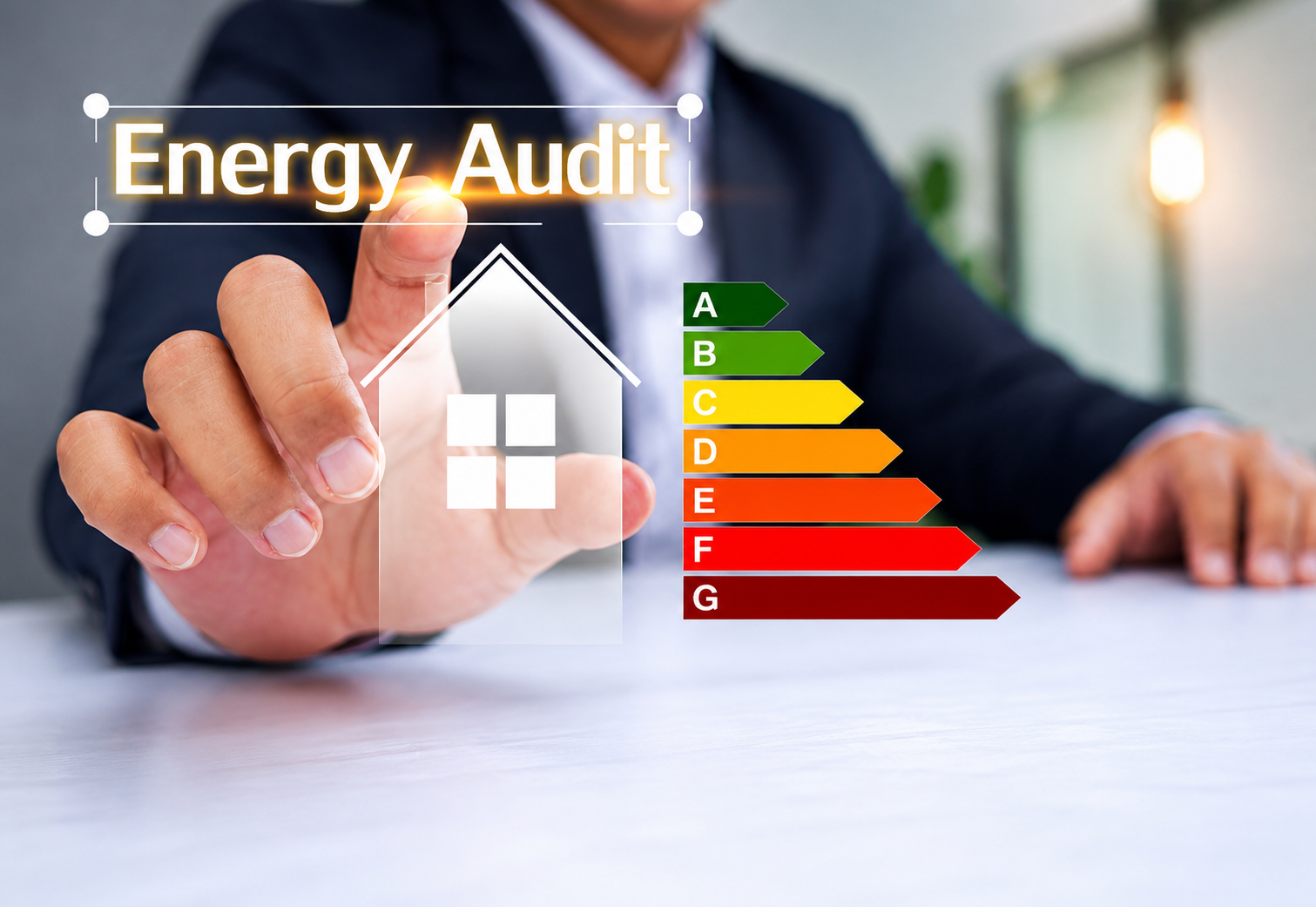
Hot room energy audits are professional evaluations that investigate why one or more rooms consistently remain warmer than the rest of the house.
Unlike a basic HVAC inspection that focuses primarily on heating and cooling equipment, a comprehensive energy audit evaluates how the entire home performs as a system.
Professionals analyze factors including:
- Insulation quality
- Air leakage
- HVAC performance
- Ductwork condition
- Ventilation
- Airflow distribution
- Building orientation
- Heat transfer
- Moisture conditions
Rather than making assumptions, auditors collect measurable data to identify exactly where energy losses and comfort issues originate.
Why Hot Room Problems Should Never Be Ignored
A room that feels warmer than others may seem like a minor inconvenience, but it often signals larger energy efficiency issues affecting the entire home.
Ignoring these problems can lead to:
| Issue | Potential Impact |
| Constant HVAC operation | Higher energy use |
| Uneven temperatures | Reduced indoor comfort |
| Excess attic heat | Increased cooling demand |
| Air leakage | Energy waste |
| Duct leakage | Conditioned air loss |
| Moisture issues | Reduced insulation effectiveness |
| HVAC strain | Increased wear on equipment |
Addressing these underlying problems early often improves both comfort and overall home efficiency.
Common Causes Found During Hot Room Energy Audits
Several conditions frequently contribute to persistent hot rooms. An energy audit helps determine whether one issue or multiple factors are responsible.
Inadequate Attic Insulation
Heat naturally rises, making the attic one of the largest sources of unwanted heat transfer.
Homes with insufficient insulation often experience:
- Hot upstairs bedrooms
- Warm ceilings
- Increased cooling loads
- Higher indoor temperatures during summer
One of the first areas evaluated during an energy audit for hot rooms is attic insulation depth and condition.
Air Leakage Around the Home
Even small gaps allow outdoor heat to enter conditioned spaces.
Common leakage areas include:
- Windows
- Exterior doors
- Electrical outlets
- Plumbing penetrations
- Recessed lighting
- Attic access points
Air leakage reduces HVAC efficiency while creating uncomfortable temperature differences.
HVAC Airflow Imbalance
Every room requires adequate conditioned airflow.
If supply airflow is too low or return airflow is restricted, certain rooms struggle to maintain the desired temperature.
Typical causes include:
- Improper duct sizing
- Dirty filters
- Closed dampers
- Blocked vents
- Poor return air design
These airflow issues are frequently identified during hot room energy audits.
Duct Leakage
Leaking ducts may release cooled air into attics, crawl spaces, or wall cavities before it reaches occupied rooms.
This reduces airflow while forcing the HVAC system to work harder.
Solar Heat Gain
Rooms with large west-facing or south-facing windows often absorb more solar heat throughout the afternoon.
Without adequate insulation or window protection, these spaces become noticeably warmer.
Poor Ventilation
Homes require balanced ventilation to regulate indoor temperatures and humidity.
Inadequate ventilation can trap excess heat, especially in upper-level rooms.
What Happens During a Professional Hot Room Energy Audit?
A professional audit is far more comprehensive than simply checking the thermostat.
The process evaluates how the home’s systems interact with one another to identify the true source of comfort problems.
Initial Home Assessment
The audit typically begins with a discussion about:
- Rooms that feel hottest
- Seasonal comfort issues
- HVAC operating patterns
- Previous repairs
- Utility bill trends
Understanding homeowner concerns helps guide the inspection.
Exterior Inspection
The home’s exterior provides valuable clues about energy performance.
Inspectors evaluate:
- Roof condition
- Exterior wall construction
- Window placement
- Shading
- Ventilation openings
- Building orientation
Interior Inspection
Inside the home, auditors assess:
- Air vents
- Return registers
- Insulation access points
- Window performance
- Ceiling temperatures
- Indoor airflow
Attic Evaluation
Because attic heat significantly affects indoor comfort, auditors carefully inspect:
- Insulation levels
- Ventilation pathways
- Air sealing
- Roof deck temperatures
- Moisture concerns
Excessive attic heat often contributes directly to upstairs hot rooms.
Air Leakage Testing
Professional equipment identifies areas where conditioned air escapes and outdoor air enters.
This helps locate hidden leakage that cannot be seen during a visual inspection.
HVAC System Evaluation
The HVAC inspection may include:
- Airflow measurements
- Equipment performance
- Filter condition
- Duct inspection
- Supply temperature
- Return temperature
Thermal Imaging
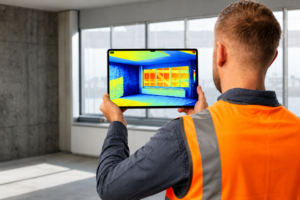
Infrared imaging allows professionals to identify hidden temperature differences behind walls, ceilings, and floors.
Thermal cameras help locate:
- Missing insulation
- Air leaks
- Moisture intrusion
- Heat transfer
These findings make it easier to recommend targeted improvements.
Signs You May Need Hot Room Energy Audits
Many homeowners delay scheduling an audit because they assume the problem is normal.
However, certain symptoms indicate a professional evaluation may be beneficial.
You may benefit from a home energy assessment hot room inspection if:
- One bedroom stays hot year-round
- Upstairs feels much warmer than downstairs
- HVAC runs continuously
- Utility bills continue increasing
- Certain vents produce weak airflow
- Rooms cool very slowly
- You recently renovated part of the home
- Comfort varies significantly between rooms
These symptoms often point to issues beyond the HVAC equipment itself.
How Airflow Imbalance Affects Home Comfort
Proper airflow is essential for maintaining consistent temperatures throughout a home.
When airflow becomes unbalanced, conditioned air fails to reach every room evenly.
Common contributors include:
- Improper duct layouts
- Blocked supply vents
- Dirty air filters
- Closed interior doors
- Insufficient return air
Resolving an airflow imbalance often improves both comfort and HVAC efficiency.
Why Attic Heat Plays Such a Major Role
Many homeowners underestimate how much heat accumulates inside the attic during warm weather.
Temperatures inside an attic may become significantly higher than outdoor conditions, increasing heat transfer into living spaces.
An audit examines:
- Insulation depth
- Insulation coverage
- Ventilation effectiveness
- Roof ventilation
- Air sealing between attic and living areas
Reducing attic heat often improves comfort in upstairs bedrooms and bonus rooms.
Can Window Placement Create Hot Rooms?
Absolutely.
Rooms exposed to direct afternoon sunlight often absorb more radiant heat than shaded areas.
Factors evaluated include:
- Window orientation
- Glass performance
- Existing shading
- Window seals
- Heat gain patterns
Sometimes the solution involves improving insulation or addressing surrounding building conditions rather than replacing windows.
Long-Term Solutions Identified Through Hot Room Energy Audits
Once the root causes are identified, homeowners can prioritize improvements that deliver lasting comfort. Many of the recommendations made during hot room energy audits address the same underlying issues discussed in our blog, why some rooms are always hot or cold in your home, helping homeowners better understand how insulation, airflow, and HVAC performance affect indoor comfort.
Potential recommendations may include:
| Improvement | Benefit |
| Air sealing | Reduces heat infiltration |
| Additional attic insulation | Improves thermal protection |
| Duct sealing | Improves airflow delivery |
| HVAC balancing | More consistent room temperatures |
| Ventilation improvements | Better indoor comfort |
| Return air modifications | Improved circulation |
| Insulation upgrades | Reduced heat transfer |
Each recommendation is based on actual findings rather than assumptions.
Why Professional Energy Audits Are Better Than Guesswork
Many homeowners spend years replacing thermostats, adjusting vents, or purchasing portable cooling equipment without solving the underlying issue.
A professional audit removes the guesswork by identifying measurable causes.
Benefits include:
- Accurate diagnosis
- Prioritized recommendations
- Improved indoor comfort
- Better HVAC performance
- Reduced unnecessary repairs
- Long-term energy improvements
Instead of treating symptoms, homeowners can address the source of the problem.
How Energy Audits Improve Overall Home Performance
Although many homeowners schedule an audit because of one uncomfortable room, the benefits often extend throughout the entire home. An energy audit can identify multiple areas where energy efficiency and indoor comfort can be improved. If you’re interested in learning more about improving your home’s energy performance, explore our blogs for additional insights on energy efficiency, home comfort, and practical solutions.
An energy audit can help improve:
- Indoor comfort
- Temperature consistency
- HVAC efficiency
- Air quality
- Building durability
- Moisture management
- Equipment longevity
The result is a home that performs more efficiently while providing greater year-round comfort.
Why Choose Star Energy Consultants?
When evaluating persistent hot rooms, experience matters. At Star Energy Consultants, we take a whole-home approach rather than focusing on a single component. Our assessments are designed to identify the underlying factors affecting comfort, energy efficiency, and HVAC performance.
By combining detailed inspections with proven diagnostic methods, we provide homeowners with clear recommendations tailored to their home’s specific needs. Whether the issue involves insulation, ductwork, ventilation, or airflow, our goal is to help you understand the findings and make informed decisions for lasting improvements.
For homeowners dealing with uneven cooling issues, a professional evaluation can be the first step toward achieving a more comfortable and energy-efficient home.
Conclusion
A room that consistently feels hotter than the rest of the house is rarely caused by a single issue. Factors such as insulation gaps, air leakage, attic heat, duct problems, and airflow imbalance often work together to create uneven indoor temperatures. Rather than relying on temporary fixes, hot room energy audits provide a thorough evaluation that identifies the true source of the problem and supports long-term solutions.
If you are experiencing persistent hot spots or uneven cooling issues, a professional assessment can help improve comfort, reduce unnecessary HVAC strain, and enhance your home’s overall energy performance. Contact us at Star Energy Consultants to learn how our comprehensive energy audit services can help identify hidden issues and create a more comfortable, efficient living environment.
Frequently Asked Questions
1. What are hot room energy audits?
Hot room energy audits are professional evaluations that identify why certain rooms remain warmer than others by assessing insulation, airflow, ductwork, ventilation, and overall home energy performance.
2. How long does a home energy audit take?
The duration varies depending on the size and complexity of the home, but a comprehensive audit typically takes a few hours.
3. Can an energy audit identify HVAC problems?
Yes. A professional audit evaluates HVAC airflow, duct performance, and system operation to determine whether they contribute to uneven temperatures.
4. What causes uneven cooling issues?
Uneven cooling issues can result from poor insulation, duct leaks, inadequate airflow, attic heat, solar heat gain, or improperly designed HVAC systems.
5. Why should I choose Star Energy Consultants for an energy audit?
Star Energy Consultants provides detailed, whole-home energy assessments that identify the root causes of comfort and efficiency issues, helping homeowners make informed, long-term improvements.